7 Best Fixes for Plant Drooping After Repotting?

Time:2026-10-15 Author:Aria
0%

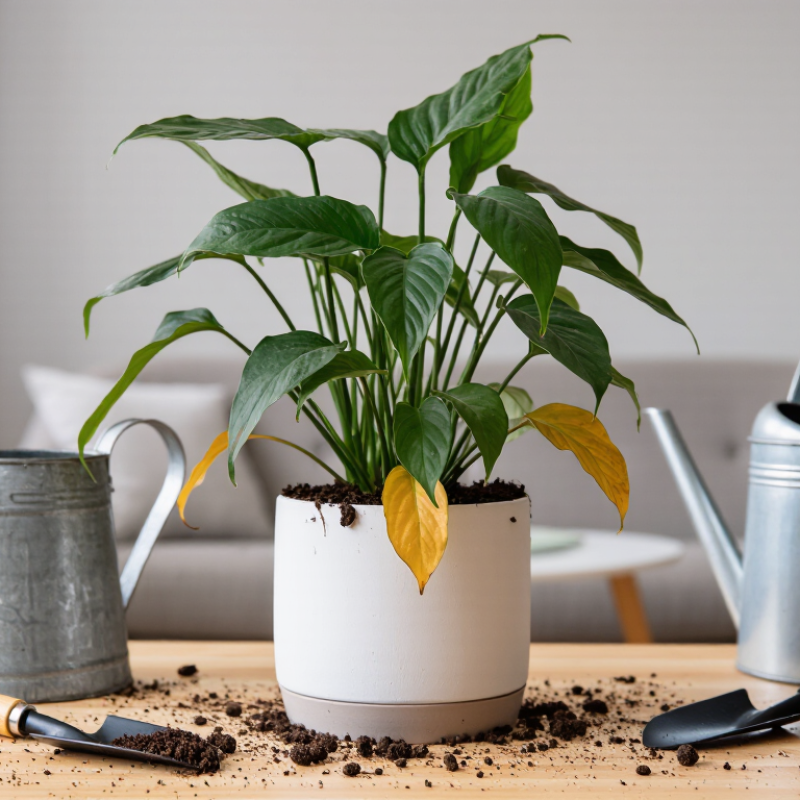
A drooping plant after repotting can look alarming, especially when healthy leaves suddenly hang over the pot’s rim. Why is my plant drooping immediately after repotting? In many cases, the plant is reacting to disturbed roots, changed moisture levels, or sudden differences in light and temperature. This response is often called transplant shock.

Not every drooping plant needs more water. That assumption can worsen root stress, particularly when the new container drains slowly. A practical diagnosis starts with checking the soil several centimeters below the surface, inspecting the drainage hole, and feeling whether the roots look firm or mushy. Leaf texture matters, too. Soft, yellowing leaves suggest a different problem from crisp, curled foliage.

This guide presents seven evidence-based fixes for plant drooping after repotting. Each solution focuses on a specific cause, including overwatering, root damage, compacted soil, and excessive sunlight. The recommendations reflect common horticultural practices, but plant species respond differently. A peace lily may recover quickly, while a fiddle-leaf fig can remain visibly stressed for weeks.

Small adjustments matter.

Avoid moving the plant repeatedly while it recovers. Keep watering consistent, provide gentle indirect light, and monitor changes over several days. It is easy to overcorrect when a plant looks weak. That reaction is understandable, but patience often prevents further damage. Even careful repotting can involve mistakes, and observing the plant closely is part of reliable care.
7 Best Fixes for Plant Drooping After Repotting?

Identify the Cause of Drooping After Repotting

Plant drooping after repotting is often a stress response, not an immediate sign of disease. During repotting, fine feeder roots can tear, reducing water uptake even when the soil feels damp. Leaves may sag within hours, especially after a sunny move or rough handling. I have seen healthy plants wilt simply because their roots needed time to reconnect with the new soil.

Check the root zone before changing your care again. If the soil is wet several centimeters below the surface, poor drainage or root disturbance may be limiting oxygen. A sour smell, black roots, or mushy stems suggests overwatering damage. Dry, shrinking soil points to insufficient moisture instead. The container may also be too large, holding water longer than the remaining roots can use. This mistake is easy to make.

Light and temperature can reveal another cause. Keep the plant in bright, indirect light and protect it from hot windows, cold drafts, and sudden outdoor exposure. Avoid fertilizer for several weeks, because damaged roots absorb salts poorly. Water slowly until excess drains away, then empty the saucer. Do not water by schedule alone. Watch the leaves and soil together. If the plant improves overnight, transplant shock was likely. If it declines for several days, inspect the roots again; my first diagnosis is not always correct.

Check and Correct the Plant’s Watering Conditions

A drooping plant after repotting often needs a closer look at its watering conditions. Fresh soil may hold moisture differently from the old mix. Check the top two inches with your finger before watering again. If the soil feels damp, wait. Watering too soon can reduce air around the roots and worsen stress. If the soil is dry and pulling from the pot’s edge, water slowly until it drains from the bottom.

Tips

Use a pot with drainage holes. Empty the saucer after ten minutes. Do not follow a fixed calendar. Room temperature, sunlight, pot size, and soil texture change drying speed. A wooden stick can reveal moisture below the surface more clearly than touch alone.

I once watered a newly repotted plant daily because its leaves stayed limp. The roots remained wet, and recovery slowed. I should have checked the soil first.

Observe the plant for several days. Place it in bright, indirect light while the roots settle. Avoid strong afternoon sun, which can increase water loss through the leaves. If water runs straight through the pot, the root ball may be dry inside, even when the surface looks wet. Soak it gradually, allowing short pauses for absorption. Do not fertilize until new growth appears, since stressed roots can react poorly. Drooping does not always mean thirst. Sometimes, it is a warning about excess water.

Reduce Transplant Shock With Proper Light and Humidity

7 Best Fixes for Plant Drooping After Repotting?

Drooping after repotting often signals transplant shock, not immediate death. Roots may have lost contact with the soil, reducing water uptake. Move the plant near bright, filtered light instead of harsh afternoon sun. University of Florida IFAS Extension guidance places many indoor foliage plants in moderate light, often around 100–500 foot-candles. A thin curtain can soften direct rays while new roots recover.

Humidity matters, but more is not always better. The U.S. Environmental Protection Agency recommends indoor relative humidity between 30% and 50% for healthier indoor conditions. Keep the plant away from heating vents and cold glass. A small hygrometer gives better information than judging air by feel. Grouping plants can raise local humidity slightly, though stagnant air may encourage fungal problems.

Water slowly until a little drains from the pot, then empty the saucer. Check the top few centimeters of soil before watering again. University extension guidance commonly warns against keeping recently disturbed roots constantly saturated. That balance is easy to miss. I have seen growers increase watering when leaves droop, only to create airless soil. A better test is simple: inspect the roots, feel the soil, and watch new growth for two weeks. Do not fertilize immediately; damaged roots can react poorly to concentrated salts. Sources: U.S. EPA Indoor airPLUS guidance; University of Florida IFAS Extension; University of Minnesota Extension.

Inspect the Roots and Improve Soil Drainage

When a plant droops after repotting, do not assume it needs more water. I learned this after finding pale, soft roots beneath a wilted houseplant. Gently slide the root ball from its pot and check the outer roots. Healthy roots usually feel firm and smell earthy. Brown, mushy, or hollow roots suggest excess moisture and poor drainage. Dry, brittle roots may indicate the opposite problem.

Inspect the new pot carefully. It must have an open drainage hole, not just a decorative container. Water should leave the pot within a few seconds. If water sits on the soil surface, the mix may be compacted or too fine. A loose blend with airflow helps roots recover, while heavy, muddy soil can trap water around damaged roots. Remove only roots that are clearly rotten. Cutting healthy roots “just in case” can create more stress.

I usually water once, then wait until the upper soil feels slightly dry. Keep the plant in bright, indirect light and avoid feeding it immediately. New leaves may remain limp for several days. That is normal. I once moved a recovering plant too often and slowed its recovery, so patience matters. Still, I sometimes check moisture too frequently. A wooden stick pushed deep into the mix gives a better reading than the surface alone. If the roots look healthy but drooping continues, the plant may simply need time to rebuild its fine roots.

Monitor Recovery and Resume Normal Plant Care

After repotting, drooping leaves often signal transplant shock rather than immediate disease. Roots may have been disturbed, reducing water uptake temporarily. Place the plant in bright, indirect light and keep temperatures steady. Avoid moving it repeatedly. Check the soil with your finger before watering. If the upper two centimeters feel dry, water slowly until excess drains from the pot. Never let the container sit in collected water.

Monitor recovery through small, visible changes. Leaves may lift slightly within several days, while new growth can take weeks. Watch for yellowing, soft stems, foul-smelling soil, or worsening collapse. These signs may indicate overwatering, root damage, or poor drainage. I once watered a stressed plant too often, believing more moisture would help. It only made the roots weaker. Recovery is not always quick.

Tips: Keep a simple weekly note about leaf position, soil moisture, and new growth. Remove only fully dead leaves, not mildly wilted ones. Hold fertilizer until the plant shows fresh growth, then resume feeding at a cautious strength. Return gradually to the plant’s normal care routine. Sun-loving plants may need more light later, but sudden exposure can scorch recovering leaves. Let the plant regain balance first.

FAQS

Why do leaves droop after repotting?

Root disturbance can reduce water uptake temporarily. Fine feeder roots may tear during handling. This is often transplant shock, not disease.

How can I check whether the plant needs water?

Press a finger two inches into the soil. If it feels damp, wait. If it feels dry, water slowly until excess drains.

What if water runs straight through the pot?

The inner root ball may still be dry. Add water gradually, pause briefly, and let each amount absorb.

Where should I place a recovering plant?

Use bright, indirect light and steady temperatures. Keep it away from hot windows, cold drafts, and sudden outdoor exposure.

Should I fertilize after repotting?

Wait until fresh growth appears. Damaged roots absorb fertilizer salts poorly. Start later with a cautious strength.

What signs suggest overwatering or root damage?

Watch for sour-smelling soil, black roots, mushy stems, yellow leaves, or worsening collapse. The pot may also be too large.

How long does recovery usually take?

Leaves may lift within several days. New growth can take weeks. Recovery is not always quick.

How should I monitor progress?

Keep a simple weekly note about leaf position, soil moisture, and new growth. Remove only fully dead leaves. My first diagnosis can be wrong.

Conclusion

If you are wondering, “Why is my plant drooping immediately after repotting?”, the problem is usually related to transplant shock rather than a serious disease. Begin by checking the plant’s watering conditions: newly repotted plants may droop from either dry soil or excess moisture. Water only when the soil’s surface and root zone require it, and make sure the container has adequate drainage. Place the plant in bright, indirect light and maintain moderate humidity while it adjusts, avoiding sudden exposure to harsh sunlight, heat, or cold drafts.

Inspect the roots if the drooping continues. Remove any damaged or mushy sections with clean tools and use a loose, well-draining soil mixture. Avoid disturbing healthy roots unnecessarily, as additional stress can slow recovery. Monitor the plant over the following days for improving leaves, stable moisture, and signs of new growth. Once it begins to recover, gradually return it to its normal light, watering, and feeding routine rather than making several changes at once.

Aria

Aria

Aria is a dedicated marketing professional with a deep passion for innovative strategies and a keen understanding of our company's product offerings. With a wealth of experience in the industry, Aria excels at crafting engaging content that highlights the unique features and benefits of our......