What Are the Best Non Toxic Plants for a Baby Nursery?

Time:2026-09-30 Author:Henry
0%

What are the best non-toxic plants for a baby nursery? The answer starts with a careful distinction: “non-toxic” usually describes how a plant affects pets or people if touched or swallowed, but it does not make a plant safe for a baby to chew. The ASPCA’s plant database lists spider plants and Boston ferns as non-toxic to cats and dogs. That can help narrow a shopping list, but it is not a guarantee of infant safety. Keep every plant, pot, saucer, and loose leaf beyond a baby’s reach.

Indoor air deserves a similarly measured view. The U.S. Environmental Protection Agency reports that concentrations of some indoor pollutants may be two to five times higher than outdoor levels. NASA-supported research by environmental scientist B.C. Wolverton and colleagues examined plants in sealed chambers. Their report states that “plants can play a major role in removal of organic chemicals from indoor air.” That finding is often repeated too broadly. Chamber results do not show that a few nursery plants can replace ventilation or meaningfully clean an entire home.

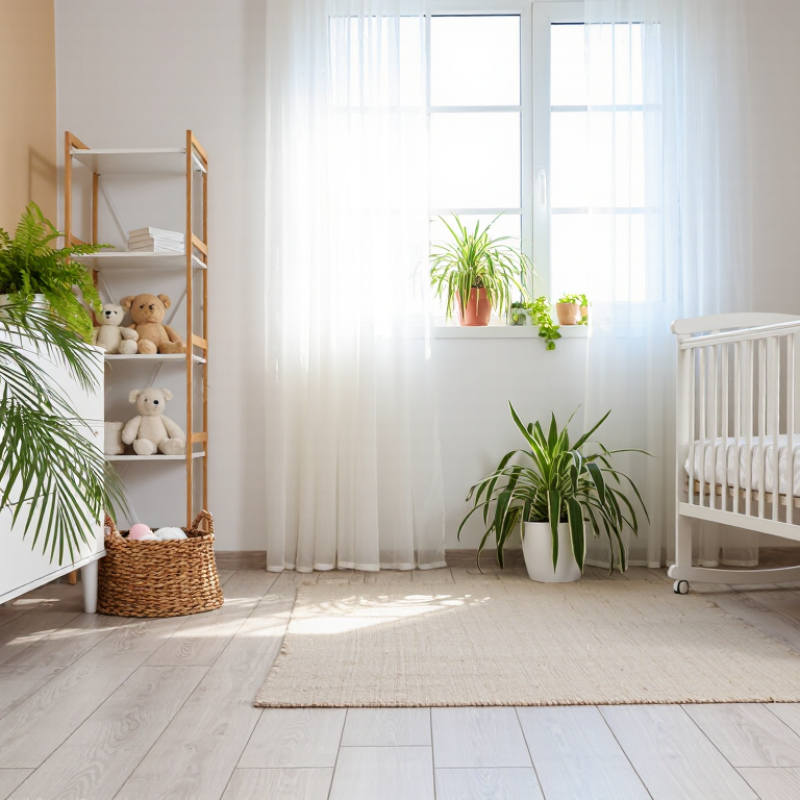
For practical choices, consider a spider plant, Boston fern, or areca palm, after checking the exact species and care needs. Look for sturdy leaves, stable pots, and placements away from the crib. Avoid plants with irritating sap, sharp edges, or tempting berries, and remove fallen leaves promptly. A plant can look harmless under soft nursery light; a loose pebble in its soil is still a choking hazard. I would not treat any “safe plant” list as final. Verify the label, ask a pediatrician or poison center if exposure occurs, and keep the nursery uncluttered.
What Are the Best Non Toxic Plants for a Baby Nursery?

How to Evaluate Plants for a Baby Nursery

What Are the Best Non Toxic Plants for a Baby Nursery?
How to Evaluate Plants for a Baby Nursery

“Non-toxic” is a useful starting point, not a guarantee of safety. Check the plant’s scientific name against a reputable toxicity database, such as the ASPCA’s, since common names can refer to different species. Then consider the whole setup: a baby may eventually reach dangling leaves, touch damp soil, or pull over a lightweight pot. Choose sturdy containers, keep plants well beyond a child’s reach, and remove fallen leaves promptly. No plant is a chew toy.

Think about air quality claims, too. A 2019 review of 12 chamber studies found that ordinary ventilation removes volatile organic compounds far more effectively than potted plants. A plant can brighten a room, but it should not replace fresh-air ventilation. Check whether its care needs suit the nursery’s actual light and humidity; persistently wet soil can encourage mold. I still find that detail easy to overlook.

Tips: Before bringing a plant home, check its exact species, pot stability, and care requirements. Avoid thorny or fragile plants, and skip pesticides near the crib. Pet-safe does not automatically mean baby-proof. Keep the plant out of reach, and ask a pediatrician or poison center if a child mouths any part of it.

Which Houseplants Are Considered Non-Toxic

Several houseplants are commonly considered non-toxic to cats and dogs, including spider plants, Boston ferns, parlor palms, and many peperomias. Prayer plants and African violets are also popular options for a nursery. Their leaves add color without relying on sharp spines or dramatic, trailing vines.

“Non-toxic” does not mean safe to eat. A baby may still choke on a leaf, swallow potting mix, or react to moldy soil. Keep plants out of reach, use a stable pot, and remove fallen leaves promptly. Still, placement matters. A plant on a high shelf can fall, so a secured stand may be safer.

Check the exact plant species before bringing it home; common names can refer to different plants. For added confidence, compare its botanical name with a reputable plant-toxicity resource, and ask a pediatrician about individual concerns. Choose plants suited to the room’s light: a parlor palm may tolerate a dim corner, while an African violet usually needs bright, indirect light. I’d also inspect leaves for pests and avoid treating nursery plants with products that leave residues. Small details are easy to miss.

How to Choose Plants for Nursery Light and Space

A nursery’s best plant is one that suits its actual window, not its staged-photo look. Clemson Cooperative Extension’s indoor-plant lighting guidance places low light at about 50–250 foot-candles and medium light at 250–1,000. Check brightness where the pot will sit, at plant height; light drops quickly a few feet from a window. An east-facing sill may suit a compact peperomia or parlor palm, while a bright, indirect spot can work for a spider plant. Verify each species against a reliable toxicity reference, and keep leaves and pots out of a baby’s reach.

“Pet-safe” does not mean safe for a baby to chew.

Space matters, too. Measure the floor area and note where a crawling child could pull or knock a pot. Choose a stable, lightweight container with drainage, and leave room to reach the window and clean the floor. I’d be cautious about trusting a room’s “bright” feel: winter light, curtains, and nearby buildings can change the conditions more than expected.

Tips: Use a basic light meter or compare readings at the plant’s spot at different times of day. If leaves fade or growth becomes stretched, reassess the light before adding another plant. Keep soil spills and fallen leaves cleared; honestly, that small routine is easy to overlook.

Where to Place Plants to Keep Them Out of Reach

What Are the Best Non Toxic Plants for a Baby Nursery?

Parlor palms and spider plants are often chosen as lower-risk options, but confirm a plant’s identity before bringing it home. Even non-toxic leaves can cause choking or stomach upset if chewed. Placement matters as much as the species. Put pots on a high, sturdy shelf that is firmly anchored to the wall, well beyond a child’s future climbing reach. Keep leaves and trailing stems away from the crib, changing table, and window cords. A plant can look safely distant today and become reachable surprisingly quickly.

Tips: Choose a shelf without a foothold below it. Use a stable pot that cannot tip easily, and keep saucers and fallen leaves out of reach. Avoid hanging planters above the crib or play area; a loose hook or dropped pot is a risk. Check the plant’s label and care needs, too.

One detail is easy to overlook: a high shelf is not automatically secure if furniture nearby can be climbed. Recheck the arrangement as your baby grows and starts pulling up. I would rather leave an empty corner than force a plant into an awkward spot. A small plant on a secured, separate stand may work better, provided the stand stays outside the baby’s access area.

What Are the Best Non Toxic Plants for a Baby Nursery? - Where to Place Plants to Keep Them Out of Reach

Plant Commonly Listed Toxicity Status Light and Care Suggested Out-of-Reach Placement Nursery Safety Notes
Spider plant (Chlorophytum comosum) Generally listed as non-toxic to cats and dogs. Bright, indirect light; let the surface of the potting mix dry slightly between waterings. Place on a securely anchored high shelf, away from the crib and changing area. Keep dangling runners and plantlets beyond a child’s reach; they may attract grabbing or mouthing.
Boston fern (Nephrolepis exaltata) Generally listed as non-toxic to cats and dogs. Bright, indirect light and evenly moist soil; avoid letting the pot sit in water. Use a stable, wall-secured shelf with enough clearance for its arching fronds. Check regularly for dropped fronds and keep the potting mix inaccessible.
Parlor palm (Chamaedorea elegans) Generally listed as non-toxic to cats and dogs. Low to bright indirect light; water when the top layer of soil begins to dry. Place on a sturdy, child-inaccessible shelf or a stable stand outside the crib’s reach. Choose a heavy, stable pot and keep leaves clear of walkways and sleep spaces.
Areca palm (Dypsis lutescens) Generally listed as non-toxic to cats and dogs. Bright, indirect light; water when the top layer of soil is dry. Best in a stable floor planter in a child-free corner, secured so it cannot be pulled over. Its larger size makes tip-over prevention especially important; do not place beside a crib.
Peperomia (Peperomia species) Many commonly grown peperomias are generally listed as non-toxic to cats and dogs. Medium to bright indirect light; allow the soil to dry somewhat between waterings. Place on a securely mounted shelf well above a child’s reach. Confirm the exact species before purchase, since care and safety references can vary by species.
Calathea / prayer plant (Calathea or Goeppertia species) Commonly listed varieties are generally considered non-toxic to cats and dogs. Medium to bright indirect light; keep soil lightly and evenly moist, not waterlogged. Use a stable shelf away from direct sun, heaters, and the crib. Check the plant’s exact identity, as common names can refer to different species.
African violet (Streptocarpus ionanthus, formerly Saintpaulia ionantha) Generally listed as non-toxic to cats and dogs. Bright, indirect light; water carefully and avoid leaving the soil constantly wet. Set on a secured high shelf or a stable windowsill that is inaccessible to the child. Keep small leaves, flowers, and the pot itself out of reach; avoid placing it above sleep areas.

Safety note: “Non-toxic” does not mean edible or risk-free. Any plant material or potting mix can cause choking, irritation, or stomach upset if handled or swallowed. Keep all plants, pots, water trays, and fallen leaves out of a baby’s reach; secure shelves and planters, and never hang a plant above a crib or changing area. Toxicity listings commonly refer to pets, so check the exact plant species and consult a medical professional or poison-control service if ingestion occurs.

How to Care for Nursery Plants Safely

Choose plants only after checking their botanical names against a reliable pet- and child-safety reference. “Non-toxic” does not mean safe to chew, and common names can be confusing. Keep every pot, leaf, and fallen cutting beyond a baby’s reach. A high shelf may seem secure, but a wobbly pot can still fall. Place plants away from the crib and changing area, too.

Care can be simple. Water plants outside the nursery when practical, and empty saucers so stagnant water does not collect. Use a stable pot with drainage, and wipe spilled soil from the floor promptly. Damp soil can encourage mold. Small steps help. Wash your hands after pruning or handling soil, and clean tools before putting them away. Check leaves regularly for pests; avoid spraying treatments in the baby’s room. If a plant needs treatment, move it elsewhere and follow the product directions before bringing it back. Even with careful routines, a dropped leaf can be missed, so inspect the floor during regular room checks. If your baby mouths a plant or develops symptoms, contact a healthcare professional or local poison information service.

FAQS

Does “non-toxic” mean a plant is completely safe for a nursery?

No. A baby could still choke on a leaf, swallow potting mix, or touch moldy soil. No plant is a chew toy.

Which houseplants are commonly considered lower-risk options?

Spider plants, Boston ferns, parlor palms, peperomias, prayer plants, and African violets are common choices. Check the exact species before buying.

How can I check a plant’s identity?

Look for its botanical name on the label and compare it with a reputable plant-toxicity resource. Common names can describe different plants.

Where should I place a nursery plant?

Use a sturdy, secured shelf or stand well beyond a child’s reach. Keep leaves away from the crib, changing table, and window cords.

Are hanging planters a good choice above a crib?

No. A loose hook or falling pot could cause injury. Keep hanging plants away from sleeping and play areas.

Do indoor plants clean nursery air effectively?

Not as well as ordinary ventilation. Plants may brighten a room, but they should not replace fresh air. That claim needs perspective.

What plant-care details should I watch?

Match the plant to the room’s light. Remove fallen leaves, inspect for pests, and avoid persistently wet soil, which can encourage mold.

What should I do if my baby mouths a plant?

Remove any plant material and contact a pediatrician or poison center for guidance. Keep the plant’s label handy. Small details matter.

Conclusion

Choosing greenery for a nursery starts with checking whether a plant is considered non-toxic to children and pets, while also considering allergies, sharp edges, and small parts that could pose a choking risk. What are the best non-toxic plants for a baby nursery? Options commonly regarded as non-toxic include spider plants, parlor palms, Boston ferns, and some peperomias. Always identify the exact plant before bringing it home, since similar-looking varieties may have different safety profiles.

Match plants to the nursery’s natural light, available space, and your ability to care for them. Place pots on stable, elevated surfaces or in secure hanging planters, well beyond a baby’s reach, and keep leaves, soil, and fallen pieces off the floor. Use clean pots with drainage, water carefully to avoid spills or mold, and remove damaged foliage promptly. Even non-toxic plants should not be treated as toys or food, so supervision and sensible placement remain important.

Henry

Henry

Henry is a dedicated marketing professional with a profound expertise in the company's offerings. With years of experience in the industry, he possesses an impressive understanding of the market dynamics and consumer behaviors that drive success. Henry is committed to sharing his insights through......