When is the best time of year to repot indoor plants? For most houseplants, the answer is spring, especially from March through May. Longer daylight and warmer temperatures support fresh root growth. Plants also recover faster after their roots are disturbed. However, a calendar date cannot tell the whole story. A struggling plant may need attention earlier, even in winter.
Jane Perrone, an indoor gardening writer and host of the On The Ledge podcast, advises, “Don’t repot a plant just because you’ve had it for a year.” Her point is practical: inspect the roots, soil, and new growth before choosing a larger pot. Roots circling the drainage holes, water running straight through dry soil, or a plant tipping over can signal a problem. Yet these signs can mislead beginners. Some plants naturally prefer tight roots.
In 2026, this guide will examine the best repotting windows for common indoor plants, including pothos, monstera, orchids, and succulents. It will also explain when waiting is wiser. A healthy pothos may only need fresh soil, not a much bigger container. A cactus handled during cold, dark weather may remain wet for too long. That can lead to root damage.
Use clean tools. Choose a pot only slightly wider than the root ball. Leave the plant at its original depth. Small details matter. Repotting is helpful, but it is not automatically beneficial. Your plant’s roots should make the final decision.
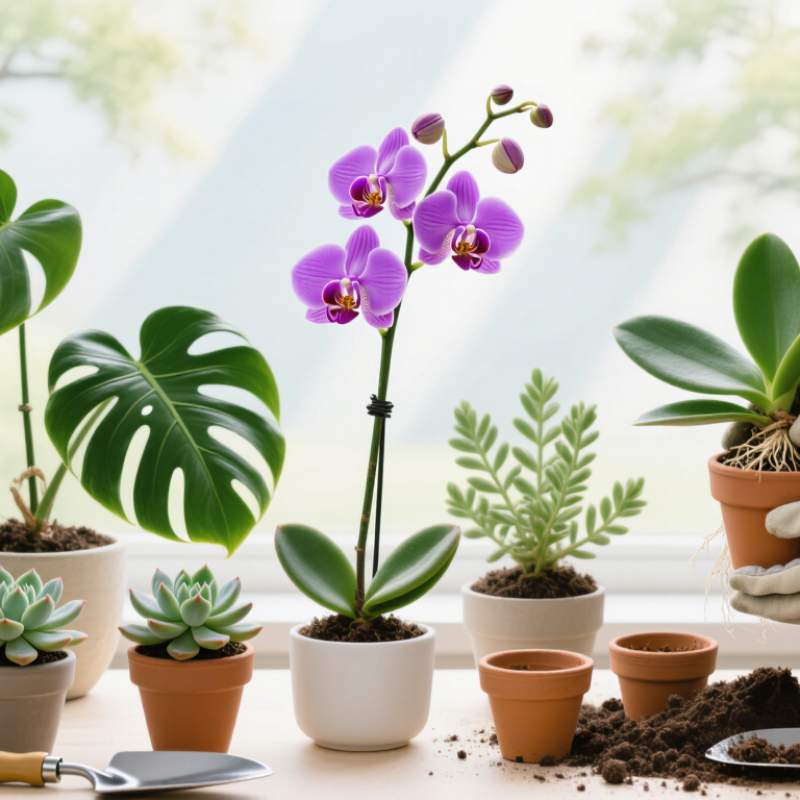
For most indoor plants, the best repotting window in 2026 is from late February through June. Longer daylight encourages fresh root growth and helps plants recover from disturbance. In cooler homes, wait until daytime temperatures stay near 18°C. A bright window also supports quicker adjustment.
Watch the plant, not only the calendar. Repot when roots circle the pot, emerge from drainage holes, or dry the soil within a day. Yellow leaves alone are not proof of cramped roots. Check first. Slide the plant out gently and inspect the root ball. Healthy roots are usually firm and pale, while dark, soft roots may signal excess moisture.
I once repotted a tropical plant too early, during a dim January week. Its leaves drooped for nearly a month. That mistake changed my routine. In 2026, I will repot actively growing plants after watering, using a container only slightly wider than the old one. Oversized pots can hold wet soil around delicate roots. Not ideal.
Succulents and other drought-tolerant plants often prefer late spring, after several days of stable warmth. Plants showing severe root rot may need attention immediately, even outside the ideal season. Remove damaged roots with clean tools, refresh the soil, and keep the plant away from harsh afternoon sun for several days. Check moisture carefully. Recovery is rarely perfectly predictable.
The best time to repot indoor plants in 2026 is usually spring or early summer. However, the calendar should not make the decision alone. Plant growth, root condition, and watering behavior provide better evidence.
Check the drainage holes. If thick roots circle the pot or push outward, the plant needs more space. Roots may even form a tight, dry coil. Water that runs straight through can signal compacted soil, especially when the root ball feels hard. Another warning is soil that dries within one day, although bright light and warm rooms can cause this too. Yellow leaves, weak new growth, or a leaning stem may also indicate crowded roots. Not every yellow leaf means repotting.
Look closely at the soil surface. A white, crusty layer can show mineral buildup from repeated watering. Gently slide the plant out while supporting its stems. Healthy roots usually look firm and pale, tan, or light brown. Soft, black, or foul-smelling roots suggest overwatering damage, not simply a small pot.
Choose a container only slightly wider than the current one, with clear drainage holes. I used to select oversized pots, thinking plants needed room to grow. That mistake kept the soil wet for too long. After repotting, water thoroughly and keep the plant away from harsh direct sunlight for several days. Watch it closely.
Seasonal growth strongly influences the best time to repot indoor plants. For most houseplants, early spring is the safest window. Longer daylight encourages fresh roots and new leaves. A plant can recover faster while actively growing. In 2026, this timing remains practical for homes with normal indoor temperatures. Wait until nighttime temperatures stay comfortably above 15°C for tropical plants.
I check the root ball before choosing a date. Roots circling the pot, water draining unusually quickly, or soil drying within one day suggest limited space. Lift the plant gently. Pale, firm roots usually indicate healthy growth. Brown, soft roots need careful trimming and less frequent watering. Choose a pot only slightly wider than the current one. Oversized containers may hold excess moisture around fragile roots.
Summer can also work, but intense heat may increase transplant stress near bright windows. Autumn repotting is better for urgent problems than routine care. Growth often slows, so damaged roots may recover unevenly. Winter is usually the least suitable period, especially when light is weak and heating dries the air. I have repotted too early before, and stalled growth followed. The plant survived, but the timing was poor. Check the plant’s growth, roots, light, and indoor temperature together. Seasonal calendars help, but the plant gives the final signal.
The best time to repot indoor plants in 2026 is usually spring or early summer. Longer daylight supports faster root recovery and new leaf growth. Still, the calendar is only a guide. Repot when roots circle the pot, emerge from drainage holes, or dry the soil unusually quickly.
Prepare a pot only 2–5 centimeters wider than the current one. Choose a container with drainage holes. Water the plant lightly the day before, then slide it out while supporting the stem base. Inspect the roots. Gently loosen tight circles, and trim only dead, black, or mushy sections with clean scissors.
Fill the new pot with fresh, suitable mix. Set the plant at its original depth, because buried stems may rot. Add soil around the roots and press gently.
Do not pack the soil hard. Water slowly until excess drains away. Place the plant in bright, indirect light for several days, away from hot windows and strong drafts. Wait two to four weeks before fertilizing.
I once used a much larger pot, thinking more space meant better growth. The soil stayed wet, and the leaves drooped. That mistake changed my routine.
Check moisture with a finger before watering, and watch for yellowing leaves, sour smells, or stalled growth. If repotting is urgent because of root rot or pests, act during winter too, but expect slower recovery.
Aftercare matters more than the calendar after repotting. In 2026, spring remains a practical time for most indoor plants, but recovery depends on roots, light, and moisture. The Royal Horticultural Society recommends using fresh, free-draining growing media and containers with drainage holes. Do not place a newly repotted plant in harsh midday sun. Give it bright, indirect light for several days.
Water thoroughly when the surface feels slightly dry, then empty the saucer. Avoid keeping the root ball constantly wet. A 2023 report from the University of Minnesota Extension notes that overwatering reduces oxygen around roots and increases decay risk. That warning is easy to ignore. I still check the soil with my finger, not by routine. Wilting can mean dry roots, but it can also signal damaged roots or sudden heat.
Skip fertilizer for roughly two to four weeks while new roots settle. Weak growth is normal during this pause. Keep indoor humidity near 30% to 50%, the range recommended by the U.S. Environmental Protection Agency for healthier indoor conditions. Avoid placing the plant beside heaters or cold windows. Inspect leaf undersides weekly for mites, scale, or sticky residue. One small mistake matters. If leaves yellow, review light and watering before adding more fertilizer. New pots often look tidy, yet recovery underground takes longer than expected.
| Indoor Plant Situation | Best 2026 Repotting Window | Signs Repotting Is Needed | Recommended Container Change | Important Timing Note |
|---|---|---|---|---|
| Healthy, actively growing foliage plants | March to May | Roots circle the pot, growth slows, or water runs straight through the root ball | Use a pot about 2.5–5 cm wider than the current pot | Spring recovery is generally faster because light and growth increase |
| Flowering houseplants after blooming | Late spring to early summer | The plant is root-bound or the potting mix has broken down | Choose a slightly larger pot with drainage holes | Repotting during active flowering can reduce bloom performance |
| Succulents and cacti | Late spring to summer | Severely compacted mix, crowded roots, or poor drainage | Use the same size or only one size larger; select a fast-draining mix | Allow damaged roots to dry before watering after repotting |
| Plants moved into a brighter, warmer growing area | When new growth begins, usually March to June | The plant is stable and has no active pest or disease problem | Increase pot size gradually to avoid excess wet soil | Avoid repotting immediately after a major environmental change |
| Plants with root rot or severely waterlogged soil | Any time treatment is necessary | Soft dark roots, sour-smelling soil, yellowing leaves, or persistent wetness | Use a clean pot with drainage and remove damaged roots | Urgent plant-health problems take priority over seasonal timing |
| Dormant or slow-growing plants in winter | Usually postpone until late winter or spring | No urgent root, drainage, pest, or disease issue | Keep the existing pot until active growth resumes | Low light and cool conditions can slow recovery |
| Aftercare Area | What to Do | Recommended Practice | What to Avoid | Typical Recovery Signal |
|---|---|---|---|---|
| Watering | Water according to the plant’s normal moisture needs and let excess drain fully | Check the top layer of mix and the pot’s drainage before watering again | Do not keep the pot standing in collected water | Leaves remain firm and the mix dries at an appropriate rate |
| Light | Keep the plant in bright, suitable light for its species | Use filtered light for plants that are sensitive to intense direct sun | Avoid sudden exposure to strong midday sunlight | New leaves or steady, non-wilting growth appear |
| Fertilizing | Wait until the plant shows active new growth | Resume with a suitable, properly diluted fertilizer | Avoid heavy feeding immediately after repotting | Fresh growth develops without scorched leaf edges |
| Temperature and humidity | Maintain stable indoor conditions with good air circulation | Keep the plant away from cold drafts and hot air vents | Avoid abrupt temperature changes | Reduced drooping and consistent leaf texture |
| Pruning and handling | Handle the plant gently and remove only clearly damaged material | Give the root system time to settle before additional major work | Avoid unnecessary pruning, training, or relocation | The plant remains upright and produces stable new growth |
| Monitoring | Inspect leaves, stems, soil moisture, and drainage regularly | Check for pests, persistent wilting, foul odors, or worsening discoloration | Do not assume every yellow leaf means the plant needs more water | Moisture, foliage, and growth patterns become consistent |
Late February through June usually works well. Longer daylight supports new root growth. Wait until daytime temperatures stay near 18°C in cooler homes.
Not always. Watch the plant instead. Repot when roots circle the pot, exit drainage holes, or dry the soil within one day.
No. Yellow leaves can come from poor light, excess water, or damaged roots. Slide the plant out gently and inspect the root ball.
Choose a container only slightly wider than the old one. Oversized pots can hold wet soil around fragile roots. That often causes trouble.
Late spring is often suitable. Wait for several days of stable warmth. These plants usually dislike cold, wet conditions after repotting.
Act promptly, even outside the ideal season. Remove dark, soft roots with clean tools. Refresh the growing medium and reduce harsh afternoon light.
Give it bright, indirect light for several days. Water when the surface feels slightly dry, then empty the saucer. Avoid constant moisture.
Wait about two to four weeks. New roots need time to settle. Weak growth during this pause is normal, though I sometimes expect faster recovery.
Keep humidity near 30% to 50%. Avoid heaters and cold windows. Check leaf undersides weekly for mites, scale, or sticky residue. Recovery is not perfectly predictable.
This guide explains when to repot indoor plants in 2026 and how to choose the right moment for healthy growth. When is the best time of year to repot indoor plants? In most cases, spring and early summer are ideal because plants are entering an active growth period and can recover more easily. However, timing also depends on the plant’s condition and environment. Root-bound growth, roots emerging from drainage holes, compacted soil, slow growth, frequent wilting, or a pot that dries out unusually fast may all indicate that repotting is needed.
The article also presents a practical step-by-step method, including selecting a slightly larger pot, preparing fresh, well-draining soil, carefully removing the plant, checking its roots, and replanting it at the correct depth. After repotting, proper aftercare is essential: water appropriately, provide suitable light, avoid immediate heavy fertilizing, and monitor the plant for signs of stress. With thoughtful timing and gentle handling, indoor plants can establish successfully and continue growing strongly.

Sativa Plant