Starting seeds indoors for your spring garden can be a rewarding experience. Knowing the best time for this task is crucial. Ben Thomas, a horticultural expert, emphasizes, “Timing is everything when growing success.” The question remains: "When should I start seeds indoors for a spring garden?"
Timing varies based on your local climate and the types of plants you wish to grow. Some gardeners jump the gun and start too early, risking leggy seedlings or stunted growth. Others wait too long, missing the optimal window for planting. Each circumstance offers a lesson about patience and observation.
Understanding your last frost date is essential. Many gardeners refer to it as a critical guide. Typically, you should start seeds indoors six to eight weeks before this date. For example, if your average last frost date is in mid-May, aim to start seeds in late March to early April. Yet, this method isn't foolproof. Always consider variations in local weather patterns. Embrace the process, learn from the outcomes, and adjust your strategies accordingly.
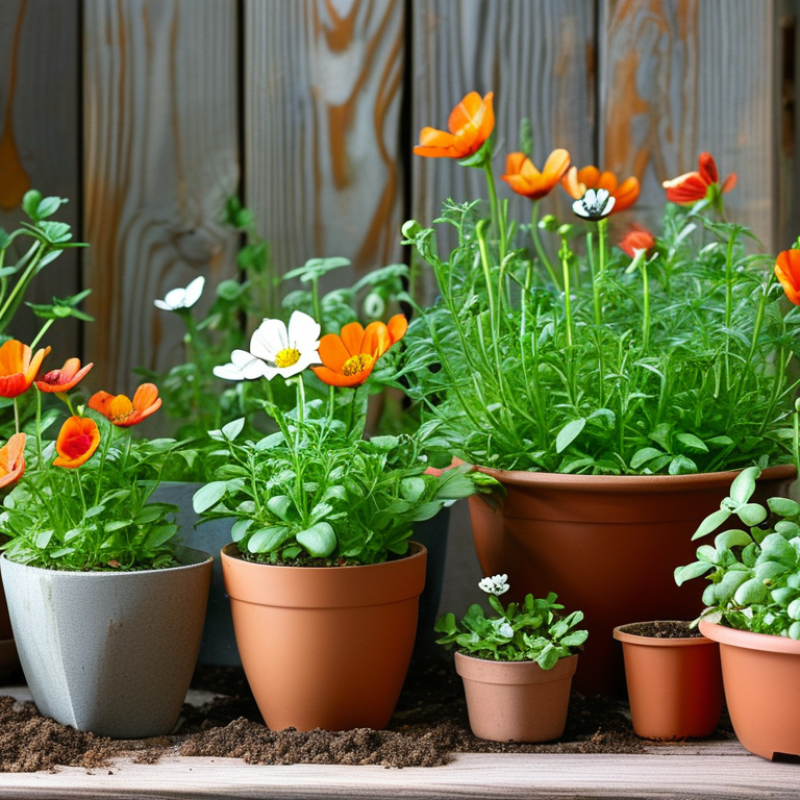
Optimal Timeframe for Starting Seeds Indoors for Spring Gardening
Timing is crucial when starting seeds indoors for a successful spring garden. According to the University of Vermont Extension, optimal seed-starting times vary based on the type of plant. For instance, about 6 to 8 weeks before the last frost date is ideal for tomatoes. This period can be calculated using local climate data, which helps gardeners make informed decisions.
Research from the National Gardening Association emphasizes the importance of indoor light conditions. Quality light sources can improve seedling growth by up to 50%. However, many amateur gardeners overlook this essential factor, resulting in weak and leggy plants. Experimenting with light duration and intensity can lead to better outcomes.
In addition, accurate temperature control is vital. Seeds generally thrive at temperatures between 65°F and 75°F. Yet, many gardeners fail to maintain these levels consistently. Using a seedling heat mat can significantly enhance germination rates. But not everyone sees immediate success. Reflecting on the challenges faced during early growth can provide valuable insights for future seasons.
Factors Affecting Seed Germination Dates in Indoor Settings
When planning your spring garden in 2026, understanding seed germination is crucial. Several factors influence how well seeds sprout indoors. Temperature, light, and moisture play vital roles in this process. Research indicates that many seeds germinate best at temperatures ranging from 70°F to 80°F. This range may differ among species, so checking specific needs is important.
Light exposure is another key element. Many seeds require a specific amount of light to sprout effectively. A study by the American Horticultural Society found that seeds exposed to sufficient light within the first few days have higher germination rates. Using grow lights can mimic natural sunlight and help ensure successful sprouting.
Moisture levels also impact germination. Too much or too little water can hinder growth. A reliable moisture level keeps seeds hydrated but not soggy. Regular monitoring is needed, as fluctuations in humidity can cause problems. Poor understanding of these factors may lead to less-than-ideal results. It is essential to adjust conditions based on the specific requirements of each plant variety for a fruitful growing season.
Recommended Seeds to Start Indoors for a Successful Spring Garden
Starting seeds indoors can be a game changer for your spring garden. According to the National Gardening Association, starting seeds indoors can increase yield by 30% compared to direct sowing. This approach allows gardeners to control their seed's environment, ensuring optimal conditions for germination.
Certain crops thrive when started indoors. Tomatoes and peppers are top choices, as they require a longer growing season. You should sow tomato seeds about 6-8 weeks before the last frost date. For peppers, this often means starting them even earlier. Other options include herbs like basil and parsley, which flourish indoors if seeded early.
It's essential to monitor the moisture and light your seedlings receive. Overwatering is a common mistake that can lead to damping-off disease. Additionally, providing adequate light, especially through fluorescent grow lights, can ensure healthy growth. Data from the American Horticultural Society suggests that seedlings need at least 12-16 hours of light each day. Despite careful planning, not every seed will thrive, so it is wise to plant extra seeds to account for any fails.
Tips for Creating Ideal Indoor Conditions for Seed Growth
Creating the ideal indoor conditions for seed growth is essential for a successful spring garden. Research shows that seed germination rates can improve significantly when optimal conditions are met. Maintaining consistent temperature, light, and humidity levels helps seeds thrive. According to the USDA, most seeds prefer a temperature range of 70-75°F for germination, while others may need slightly warmer or cooler conditions depending on the variety.
Tips for Creating Ideal Indoor Conditions:
- Temperature Control: Use a thermostat to monitor room temperature. If possible, use heating mats specifically designed for seed starting. These mats can keep the soil warm and encourage quicker germination.
- Humidity Levels: Consider using a humidity dome over your seed trays. This will help maintain moisture. However, be mindful to remove it once seeds sprout to avoid mold.
- Proper Lighting: Utilize grow lights that mimic natural sunlight. Position lights about 2-4 inches above seedlings, adjusting as they grow. This will prevent stretching and ensure robust seedling development.
It’s important to note that not all seeds germinate at the same rate. Some might sprout in a week, while others may take a month. Keeping track of each variety’s requirements can be challenging but is vital. Seek out reliable gardening resources for greater insight into specific seed types. Regularly check moisture levels and adjust care routines based on growth observations.
Transplanting Indoor Seedlings to the Outdoor Garden: Best Practices
Transplanting indoor seedlings to your outdoor garden is a critical step in ensuring a thriving spring garden. Proper timing is essential for success. According to research, transplanting should ideally occur after the last frost date in your area. This can vary significantly by region. For instance, USDA Plant Hardiness Zone 7 typically suggests late April for safe outdoor planting. Timing accurately can make or break your gardening efforts.
To prepare seedlings for outdoor life, acclimate them gradually. This process, known as hardening off, allows young plants to adapt to changing conditions. Start by placing seedlings outdoors for a few hours each day, gradually increasing exposure over a week. Studies indicate that plants exposed to outdoor conditions show a 40% higher survival rate post-transplanting. However, pay attention to temperature fluctuations and wind. Sudden changes in environment can stress young plants.
Once hardened, transplant during the cooler parts of the day to reduce shock. Ensure the soil is well-prepared: it should be rich in organic matter and well-draining. Avoid disturbing roots during transplantation. Improper handling can lead to setbacks. A recent survey highlighted that nearly 25% of novice gardeners overlook proper transplanting techniques, leading to decreased yields. Reflecting on these common mistakes can enhance your gardening success for the season.
FAQS
: Seeds usually germinate best at temperatures between 70°F and 80°F. Different species may have specific needs.
Light exposure is crucial. Seeds need a specific amount of light for effective sprouting.
Using grow lights can mimic natural sunlight. This helps improve germination rates.
Seeds need reliable moisture. Too much or too little can hinder growth.
Regularly monitor moisture levels. Avoid soggy conditions to ensure seeds stay hydrated.
Transplanting should occur after the last frost date. Timing can vary by region.
Hardening off gradually acclimates seedlings to outdoor conditions. This process increases survival rates after transplanting.
Yes, transplant seedlings during cooler parts of the day. This helps reduce transplant shock.
Ensure the soil is rich in organic matter and well-draining to support healthy growth.
Many forget proper transplanting techniques. Such oversights can lead to decreased yields. Reflecting on mistakes helps improve success.
Conclusion
When planning for a spring garden, an important question arises: "When should I start seeds indoors for a spring garden?" Ideally, the optimal timeframe for starting seeds indoors is typically 6 to 8 weeks before the last expected frost date in your area. This ensures that seedlings are ready for transplanting once the outdoors conditions are favorable.
Several factors can affect seed germination dates in indoor settings, including temperature, light exposure, and humidity. Choosing the right seeds is also crucial for success. Some recommended seeds for indoor starting include tomatoes, peppers, and parsley, which thrive when begun indoors. To promote healthy growth, it’s essential to create ideal indoor conditions—adequate lighting, consistent moisture, and appropriate temperatures will help seedlings flourish. Lastly, when the time comes to transplant your indoor seedlings to the outdoor garden, following best practices, such as hardening off the plants beforehand, can lead to a robust spring garden.

 Sativa Plant