Growing vegetables in an apartment is less about having a yard than matching plants to light, space, and daily routines. A south- or west-facing window can support compact tomatoes, peppers, and herbs. A dimmer spot may suit leafy greens with help from a small grow light. Check the available light before buying seeds or pots. Even a bright window can receive less sun than it appears to. Choose containers with drainage holes, and place saucers underneath to protect shelves and floors. Start small. A few pots are easier to water and monitor than a crowded collection.
How to start a vegetable garden in a small apartment? This guide covers choosing beginner-friendly crops, finding suitable containers, and setting up a practical growing area. It also explains how to check seed-packet spacing, water consistently, and notice signs of stress, such as pale leaves or dry soil. Keep a simple record of planting dates and watering; it can reveal patterns your memory misses. Avoid expecting every crop to thrive indoors. Light, temperature, and airflow vary from home to home, and results can be uneven. That is part of the learning. With realistic expectations and a little observation, even a sunny sill or narrow balcony can produce fresh herbs and a modest harvest.
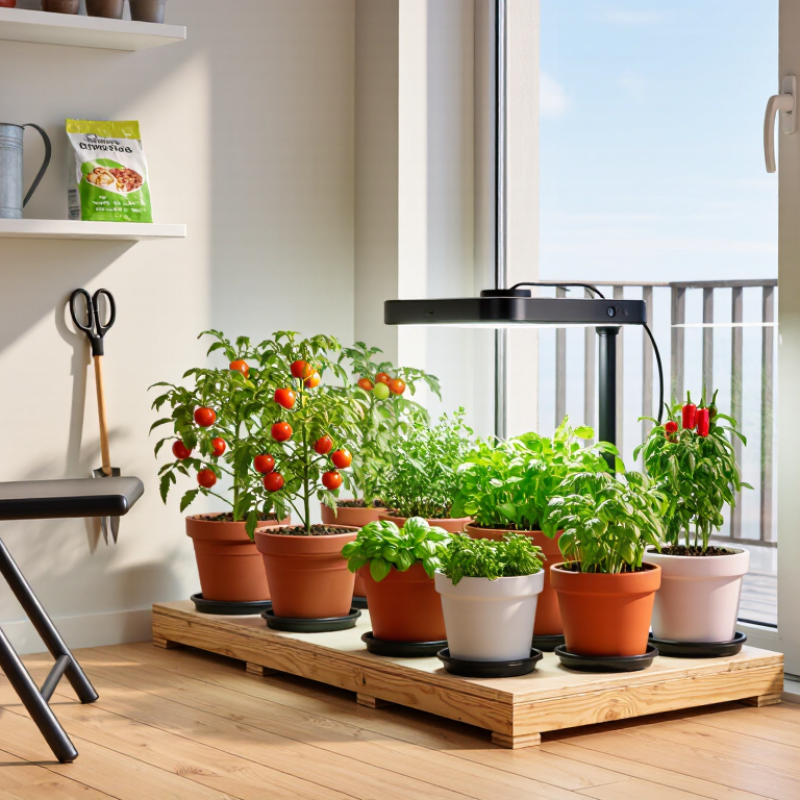
Before choosing vegetables, measure the space you can actually use. A sunny windowsill may fit two small pots, not a row of planters. Check the ledge depth, nearby doorways, and whether containers will block ventilation. Then track direct sunlight for several days, including late afternoon. Fruiting plants such as tomatoes usually need around six hours or more of direct sun. Leafy greens can manage with less. Light changes with the season, too. A bright spring window may become shaded once nearby trees fill out.
Look closely at the growing conditions. Does rain reach the balcony, or will you need to water by hand? Containers need drainage holes, and saucers should not leave roots sitting in water. A lightweight potting mix is often easier to manage than dense garden soil. Consider wind, reflected heat from walls, and the weight of wet containers. Small details matter. I have seen gardeners focus on sunlight and overlook a hot windowpane; leaves can scorch even when the room feels cool.
Start with one or two containers and observe them for a week. Check how quickly the soil dries, especially on warm or windy days. If the plants stretch toward the glass, they may need more light; if leaves fade or crisp, reassess heat and watering. My first placement might not be the best one. Move pots gradually, and keep notes about sun hours, soil moisture, and plant growth.
For an apartment garden, choose plants by light, root space, and harvest speed—not supermarket size. Loose-leaf lettuce, spinach, arugula, and small Asian greens grow well in shallow containers and can be harvested gradually. Radishes are compact and quick, though crowded roots may turn misshapen. Use pots with drainage holes, and leave space for air around the leaves. That matters indoors. A few well-chosen pots are easier to care for than a crowded collection.
Fruiting vegetables need stronger light. Compact bush tomatoes and peppers can suit a sunny window, but they usually need six or more hours of direct light daily. Without it, plants may stretch and produce little. Choose a pot large enough for mature roots; a tiny decorative vessel can dry out quickly. Herbs such as basil can share the space, though they do not need to share every pot. Water consistently, checking the soil with a fingertip instead of relying on a calendar. Indoor conditions vary. A window that looks bright may still be too dim, so watch new growth for a week or two before deciding whether to move the pot or try leafy greens.
Choose containers with drainage holes, not just an attractive shape. A 20–30 cm-deep pot suits many leafy greens and herbs, while tomatoes need a larger, sturdier container. Check the mature plant’s root needs before buying; cramped roots dry out quickly. A saucer protects floors, but empty standing water after watering. Lightweight plastic pots are easier to move, while terracotta can dry faster. Measure your windowsill or balcony first. It sounds obvious, but I have seen a perfect pot turn out to be too wide for the space.
Use fresh potting mix made for containers rather than garden soil, which can compact and drain poorly indoors. Look for a mix that feels loose and springy, with ingredients such as coir or compost. If water runs straight through, the mix may be too dry or unevenly wetted; add water slowly and stir it through. A small watering can with a narrow spout helps reach the soil without soaking leaves. Keep pruning scissors, a hand trowel, and plant labels nearby. Start with fewer supplies than you think. A basic setup is enough, and you can add a simple liquid fertilizer if plants show slow growth or pale leaves. Keep notes on watering, too; apartment air and sunlight can make schedules surprisingly unreliable.
Seeds suit gardeners who want more variety and enjoy watching plants develop. Seedlings are easier when space or time is limited, especially for tomatoes, peppers, and other slow-growing crops. Pick compact varieties that fit your containers, and check each plant’s light needs before buying. A sunny window may still provide less light than the label recommends.
Use clean pots with drainage holes and fresh potting mix. Sow seeds at the depth listed on the packet, then keep the surface gently moist. Once seedlings appear, give them bright light and rotate the pots every few days so stems grow straighter. Keep it simple. Too much water can leave roots sitting in soggy soil.
Set a care routine you can actually follow. Check the soil with a fingertip each morning; water when the top layer feels dry, not just because it is Tuesday. Feed plants according to the fertilizer directions, and remove yellow leaves as you notice them. Check for pests under leaves, where tiny insects can hide. A small notebook can help track watering and growth, though missed notes happen. Adjust gradually when plants look pale, stretched, or unusually dry.
| Vegetable | Best Starting Method | Container and Spacing | Light Needs | Care Routine | Typical First Harvest |
|---|---|---|---|---|---|
| Leaf lettuce | Sow seeds directly in the container; seedlings also work for a quicker start. | At least 6 inches deep; thin plants to about 6–10 inches apart. | About 4–6 hours of direct sun; provide afternoon shade in hot weather. | Keep the mix consistently moist, not waterlogged. Sow small batches every 2–3 weeks for a longer harvest. | Often about 30–45 days from sowing, depending on variety and growing conditions. |
| Radishes | Sow seeds directly; they grow quickly and generally do not need transplanting. | At least 6 inches deep; thin to about 2–3 inches apart. | About 6 or more hours of direct sun. | Water regularly so roots develop evenly. Harvest promptly when roots reach a useful size. | Often about 25–35 days from sowing. |
| Bush beans | Sow seeds directly after the weather is warm; avoid disturbing the roots with transplanting. | Use a container about 8–12 inches deep; space plants roughly 4–6 inches apart. | About 6–8 hours of direct sun. | Water at soil level when the top layer begins to dry. A container with drainage holes is essential. | Often about 50–60 days from sowing. |
| Cherry tomato | Choose a healthy seedling for an easier start; seeds can be started indoors before the growing season. | Allow about 14–18 inches of container depth and give each plant its own large pot, preferably 5 gallons or more. | At least 6–8 hours of direct sun; a bright, sunny balcony is best. | Water deeply when the top inch of mix feels dry. Add a stake or cage as the plant grows and check moisture often in warm weather. | Commonly about 55–75 days after transplanting, depending on variety and conditions. |
| Basil | Start from seeds or use a seedling; seedlings are convenient for beginners. | Use a pot at least 8 inches deep; space multiple plants about 8–12 inches apart. | About 6 or more hours of sun; a bright windowsill or sunny outdoor spot can work. | Water when the surface of the mix starts to dry. Pinch growing tips regularly to encourage bushier growth. | Begin light harvesting once plants are established and have several sets of leaves. |
Simple care routine: Check the soil every day or two, especially in warm or windy weather, and water when the upper layer begins to dry. Make sure every pot drains freely. Review plants weekly for pests, remove damaged leaves, and rotate containers if one side receives noticeably less light. Harvest times are approximate and vary with variety, temperature, and sunlight.
Check your plants at the same time each day, but don’t water them by habit. Lift a pot to feel its weight, then touch the top inch of soil. If it feels dry, water slowly until excess drains from the bottom. If it is still damp, wait. Small pots can dry quickly beside a sunny window, while cool, cloudy days slow them down. Look closely. Note new leaves, drooping stems, and changes in color in a simple weekly log. A photo beside a ruler can reveal growth that is hard to notice day to day.
Light needs can shift as the sun’s angle changes through the season. If seedlings lean toward the glass, rotate the pots a quarter turn every few days. Pale, stretched growth may mean they need more light; scorched patches can signal too much direct sun. Move plants gradually and watch their response. Feeding needs vary, too. Leafy greens in fresh potting mix may need little at first, while fruiting plants use more nutrients as they grow. Follow the fertilizer label and start cautiously; excess feed can burn roots. I once blamed yellow leaves on hunger, but soggy soil was the real problem. Check moisture and drainage before changing several things at once.
Choose a pot about 20–30 cm deep with drainage holes. Measure your windowsill or balcony first. A pot can look perfect and still not fit.
Use fresh potting mix made for containers. Garden soil may compact and drain poorly indoors. The mix should feel loose and springy.
Seeds offer more variety and let you watch plants develop. Seedlings save time, especially for slow-growing crops like tomatoes and peppers. Choose compact varieties.
Touch the top inch of soil and lift the pot to judge its weight. Water slowly when the soil feels dry. Not by the calendar. Small pots near sunny windows may dry quickly.
The mix may be too dry or unevenly wetted. Add water slowly and stir the mix through if needed. Check that drainage holes are clear.
Seedlings leaning toward glass may need adjustment. Rotate pots a quarter turn every few days. Pale, stretched growth can signal too little light, while scorched patches may mean too much direct sun.
Follow the fertilizer directions and start cautiously. Leafy greens in fresh mix may need little at first. Fruiting plants often need more as they grow.
Check soil moisture and drainage before changing several things. Yellow leaves do not always mean plants need food. I once guessed wrong. Look under leaves for pests, too.
Starting an apartment vegetable garden begins with understanding the space you have. Check how many hours of sunlight your windows, balcony, or other growing areas receive, and consider airflow, temperature, and available room. These conditions will help you choose vegetables that fit your home. Compact varieties and plants that grow well in containers are often practical choices, while herbs and leafy greens can suit smaller or partly sunny spaces.
How to start a vegetable garden in a small apartment? Choose containers with drainage holes, use a suitable potting mix, and gather basic supplies such as seeds or seedlings and a watering can. Plant according to the directions for each crop, then create a consistent care routine. Monitor soil moisture and plant growth, adjusting watering, light, and feeding as needed. Regular observation helps you address changing conditions and gives your vegetables a better chance to thrive indoors.

Sativa Plant