How to Care for Houseplants While Traveling for Two Weeks?

Time:2026-08-31 Author:Madeline
0%

Traveling for two weeks can be exciting, but it poses a challenge for houseplant owners. Many worry about how to keep houseplants alive while traveling for two weeks. Without proper care, indoor plants can suffer from lack of water and light. However, with a little planning, you can ensure your green friends thrive in your absence.

Consider your plants' specific needs. Some require more water and light, while others thrive on neglect. Use self-watering stakes or globes to provide consistent hydration. Group plants together to create a mini-ecosystem that retains moisture. It's also beneficial to place them away from direct sunlight, reducing water loss.

Take your time to assess your situation. Maybe ask a friend to help or hire a plant sitter. Each option has its pros and cons. Reflect on what you think will work best for your plants. If you're unsure, try experimenting with different methods in advance. By thinking ahead, you can return to a healthy indoor garden, relieved that you found a way to keep your plants alive.
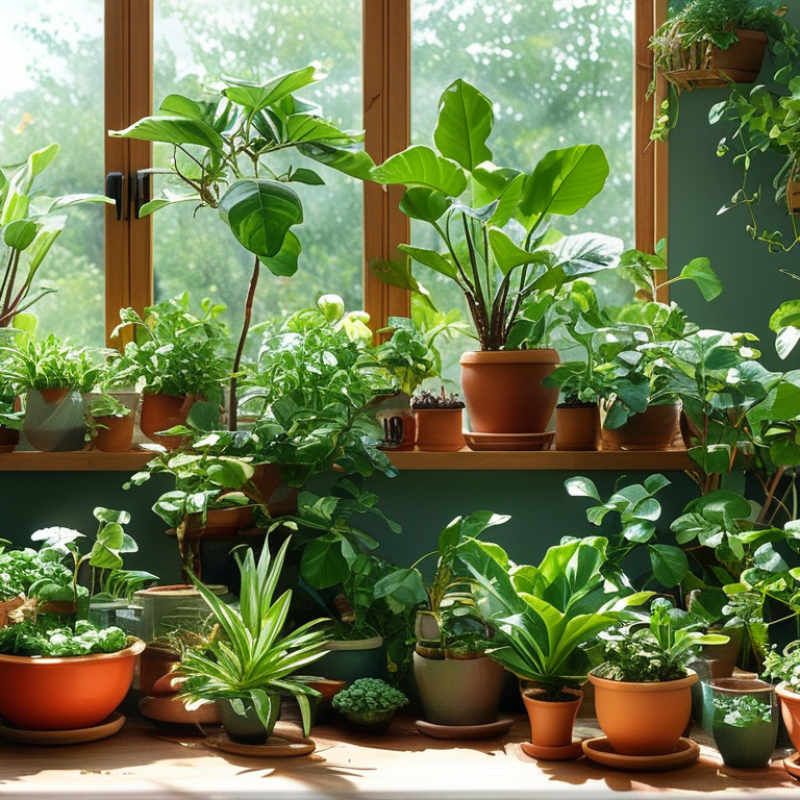
How to Care for Houseplants While Traveling for Two Weeks?

Preparing Your Houseplants for an Extended Absence

When preparing your houseplants for an extended absence, start with a thorough inspection. Check for any signs of pests or disease. Treat them promptly to avoid problems while you’re away. Pruning dead leaves can also help your plants stay healthy. It’s all about giving them the best chance to thrive, even when you’re not there.

Watering is crucial. Consider giving your plants a deep soak a day or two before you leave. This allows the soil to absorb moisture. For most houseplants, a well-draining pot and moisture-retaining soil make a difference. Using moisture beads can also help reduce the frequency of watering. If you're unsure how long the soil will stay moist, do a test run before you travel.

Light is another important factor. Move plants to locations with indirect sunlight. Avoid direct sun, which can scorch leaves. If you have a friend who can help, ask them to check in. They can provide extra care and monitor the plants for you. Reflect on your plants’ specific needs and adjust your plans accordingly. Each plant requires a unique approach, so prepare carefully.

Houseplant Care Needs Before Traveling

Before traveling for two weeks, it's crucial to ensure your houseplants receive adequate care. This chart represents the level of importance for different care needs: watering is the highest priority, followed by placement and pest control, while fertilizing and pruning are of lower concern.

Choosing the Right Location for Your Plants While Away

When traveling for two weeks, choosing the right location for your houseplants becomes crucial. Plants need appropriate light, humidity, and temperature to thrive. A study by the American Society of Horticultural Science found that plants positioned close to windows receive 25% more light, promoting healthier growth. During your trip, place plants in a well-lit area but avoid direct sunlight. Too much sun can lead to leaf burn, especially if your plant is not accustomed to it.

Creating a microclimate can also help. Grouping plants together can boost humidity levels, which benefits species that thrive in tropical conditions. Research indicates that plant clustering can increase moisture retention by up to 20%. Be cautious, though; overcrowding can lead to mold growth or pest infestations. Regularly inspect your plants for signs of trouble.

Consider using self-watering systems if you are away for an extended period. These devices can maintain moisture levels, reducing the risk of over or underwatering. A survey from Gardeners' World showed that 40% of plant owners experience stress over their plants' care while traveling. A well-chosen location and the right care methods can reduce this anxiety and help your plants stay healthy while you are gone.

How to Care for Houseplants While Traveling for Two Weeks?

Plant Type Watering Needs Light Requirements Ideal Location Recommended Tips
Spider Plant Every 1-2 weeks Indirect sunlight Bathroom or kitchen Ensure soil is moistened before leaving
Pothos Every 1-3 weeks Low to bright indirect light Living room or office Place in a corner with enough light
Succulents Every 2-4 weeks Full sunlight Windowsill Water thoroughly before traveling
Fern Every week Indirect light, avoid direct sun Shaded areas Mist leaves to retain humidity
Snake Plant Every 2-3 weeks Low to bright indirect light Any room Water minimally; they thrive on neglect

Watering Techniques to Keep Plants Hydrated During Your Trip

When planning to travel for two weeks, ensuring your houseplants receive adequate hydration is key. Traditional watering methods may not suffice. Consider using self-watering stakes. These simple devices release water slowly into the soil, keeping it moist. Simply fill them with water and insert them into the potting soil. They can provide a consistent moisture level without the risk of overwatering.

Another option is the capillary matting technique. Place your pots on a damp mat that draws water through the drainage holes. This method creates a continuous water supply, ideal for the two-week duration. Be cautious about the amount of water you start with. Too much moisture can lead to root rot.

Lastly, grouping plants together can create a microenvironment with higher humidity. Plants can benefit from each other’s transpiration. Monitor this arrangement before your trip to ensure each plant is thriving. Remember to check on your plants upon your return, looking for any signs of wilting or overwatering. Regular care prevents future travel worries.

Using Plant Care Systems: Self-Watering Options Explained

Traveling for two weeks can leave houseplants vulnerable to neglect. One practical solution is to use self-watering systems. These devices store water and deliver it gradually to the plant, ensuring hydration while you’re away. They can be as simple as a wick system using cotton or commercial options with reservoirs.

While self-watering systems can be reliable, they aren't foolproof. Issues may arise, like blockages or improper setup. If the wick dries out, plants can suffer. It is important to test the system before you leave. Check the water level and flow rate. This helps identify any potential problems early.

Another option is using water globes. These bulbs release water slowly into the soil as it dries out. This method is visually appealing and quite effective. However, too much water can also lead to soggy roots. Finding the right balance is crucial. Evaluate your plant's needs based on the environment they are in. Make sure to consider factors like humidity and temperature. Adjust your method accordingly to ensure your plants thrive while you're away.

Enlisting Help: How to Arrange Care from Friends or Neighbors

Traveling for two weeks can be challenging for houseplant care. Many homeowners rely on friends or neighbors to help. According to a report by the National Gardening Association, 70% of households in the U.S. own at least one houseplant. With such a high number of plants, it's vital to ensure they receive proper care while you're away.

Communicate clearly with your helper. Provide specific instructions for each plant. This includes watering frequency, light requirements, and any pest management. A survey from the American Society for Horticultural Science suggests that inconsistent care can lead to a 30% drop in plant health. This demonstrates the importance of guidelines and open dialogue.

Consider the skills of your helper. Not everyone has a green thumb. Choose someone knowledgeable about plants or willing to learn. They might face challenges like overwatering or misplacing plants. A personal touch can be beneficial. Leave notes or pictures as references. It may take more time to set up, but it can help avoid mishaps. Planning ahead can make a significant difference.

FAQS

: How should I prepare my houseplants before a trip?

: Inspect for pests and diseases. Treat them to prevent issues. Prune dead leaves to keep them healthy.

What watering methods can I use during an absence?

Self-watering stakes release water slowly and can prevent overwatering. They are easy to use and effective.

How can capillary matting help my plants?

It provides continuous moisture by drawing water through drainage holes. Use it correctly to avoid root rot.

Should I move my plants before leaving?

Yes, relocate them to spots with indirect sunlight. Avoid direct sun, as it can scorch leaves easily.

What if I can't find someone to care for my plants?

Group your plants together to create a humid environment. This aids in keeping them hydrated.

How can I test my plants' moisture needs?

Conduct a test run before your trip to see how long the soil stays moist. Adjust accordingly for better care.

What should I look for when returning from a trip?

Check for signs of wilting or overwatering. This can indicate whether your plants received adequate care or not.

How important is soil type for my plants?

Using moisture-retaining soil with well-draining pots is crucial. It helps maintain moisture levels while you're away.

What's a common mistake when preparing plants for absence?

Overwatering can lead to problems. Ensure water levels are just right to avoid serious damage.

Can I just water my plants deeply before I leave?

Deep watering is helpful, but it may not be enough. Consider other hydration methods to ensure their health.

Conclusion

When considering **how to keep houseplants alive while traveling for two weeks**, it is essential to take several preparatory steps before you leave. Begin by preparing your houseplants for an extended absence, which includes pruning dead leaves, ensuring proper soil moisture, and relocating them to a suitable area with adequate light. Choosing the right location can make a significant difference; find a spot that minimizes temperature fluctuations and maintains humidity.

Next, effective watering techniques are crucial to keep your plants hydrated during your trip. You might explore self-watering options like watering globes or mat systems that provide consistent moisture. If such systems are not available, consider asking friends or neighbors to help. Provide them with clear instructions on how to care for your plants, ensuring they feel confident in managing your green companions while you’re away. By following these guidelines, you can ensure your houseplants remain healthy and vibrant during your absence.

Madeline

Madeline

Madeline is a dedicated marketing professional with a wealth of expertise in our company's core offerings. With a keen understanding of the industry, she brings a unique perspective to her role, consistently delivering high-quality content that highlights the superior aspects of our products. As......