Cacti are resilient plants, but they can sometimes display signs of distress. A common issue is softening at the base. Experts in plant health, like Dr. Sarah Bloom, stress the importance of understanding these changes. She notes, “When a cactus becomes soft and mushy at the base, it often signals overwatering or root rot.”
You might wonder, "Why is my cactus getting soft and mushy at the base?" This question highlights a critical aspect of cactus care. Often, the symptoms appear when the roots are overwhelmed. Cacti thrive in dry conditions. Too much water leads to problems. A plant that feels squishy at the base may be struggling to survive.
Addressing this issue requires immediate action. Check the soil moisture and drainage first. Too wet, and you risk root rot. Affected plants must be managed delicately. Remove them from the pot, inspect the roots, and prune any that appear rotten. Understanding these signs can help you keep your cactus healthy and thriving.
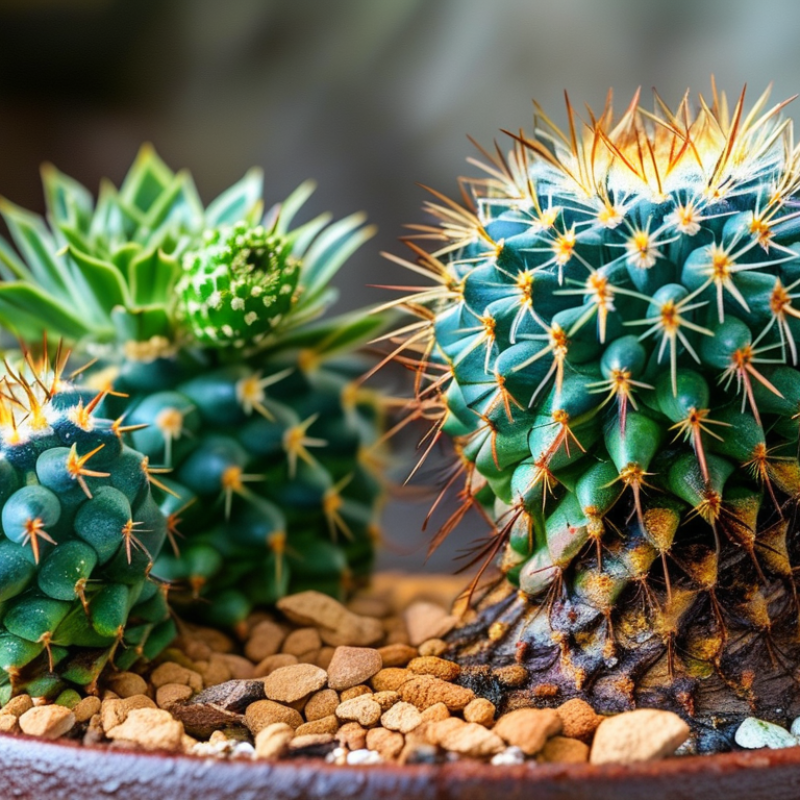
Identifying Symptoms of a Soft and Mushy Cactus
A soft and mushy cactus at the base often signals trouble. Signs of distress include discoloration and a squishy texture. Healthy cacti should feel firm and resilient. When you notice these symptoms, it’s crucial to investigate further. This condition may be caused by overwatering or root rot, which happens when the roots sit in water.
Examine your cactus closely. Look for blackened or brown spots near the base. These can indicate decay. A mushy texture can spread quickly. If left unchecked, it may lead to total plant failure. Check the soil moisture as well. Cacti prefer dry conditions, and excess water can be deadly. If your cactus feels soft, consider repotting it in fresh soil.
Remember, prevention is key. Ensure your cactus pot has proper drainage. Too much moisture will lead to problems. A soft cactus can be a hard lesson in plant care. Reflecting on your watering habits might prevent future issues. Staying vigilant can help you maintain a thriving cactus.
Causes of Softness at the Base of Cactus Plants
Cacti are resilient plants, but softness at their base often signals trouble. The most common cause of this issue is overwatering. Soil that retains too much moisture leads to root rot, which can cause the base of the cactus to become mushy. Research from the University of Arizona indicates that improper watering is the leading cause of cactus health problems. Proper drainage is crucial for cacti to thrive.
Another reason for a soft base may be pest infestation. Mealybugs and spider mites can weaken the plant, leading to a mushy texture. Findings from the American Society of Horticultural Science highlight that stressed plants are more susceptible to these pests. Regularly inspecting your cactus for signs of pests can help you catch issues early.
Tips: Ensure your cactus has well-draining soil. This keeps roots healthy and reduces mushiness. Monitor watering habits closely. Cacti typically require watering every two to three weeks, depending on the climate. If you suspect overwatering, allow the soil to dry out completely before you water again.
Environmental stress can also contribute to softness. Extreme temperatures or sudden changes in climate affect cactus health. Be mindful of where you place your cactus, as they thrive in warm, stable environments. Adjustments may be necessary as seasons change.
Step-by-Step Guide to Treating a Soft Cactus Base
Cacti are resilient plants, but sometimes they become soft and mushy at the base. This indicates stress, often due to overwatering or root rot. The first step in treatment is to assess your cactus carefully. Look for any discoloration or mushy parts. If the base feels soft, it's likely a sign of rot.
Begin by removing the cactus from its pot. Examine the roots and cut away any dark or soft areas with sterile scissors. This step is crucial to preventing further damage. After trimming, allow the cactus to dry for a few days in a shady spot. This helps in healing the damaged areas.
Tips: Water your cactus only when the soil is completely dry. Use a well-draining soil mix to improve drainage. Avoid letting the cactus sit in water. Keep an eye on your plant’s health regularly. A soft base can also indicate that a reassessment of your care routine is needed. Check lighting conditions and ensure your cactus isn’t in a dark, damp location.
After a few days of drying, repot your cactus in fresh soil. Ensure the pot has drainage holes. Monitor the plant’s recovery closely. While cacti are hardy, they need attentive care. Sometimes, despite all efforts, a cactus may not survive. It’s important to learn from each experience and adjust your care techniques accordingly.
Preventive Measures for Healthy Cactus Growth
Cacti are resilient plants, yet they need care. Soft and mushy bases often result from overwatering. To prevent this, it’s essential to understand your cactus's needs. Soil selection plays a vital role. Use a well-draining mix to ensure proper moisture levels. Consider adding sand or perlite to enhance drainage.
Lighting is another critical factor. Cacti thrive in bright conditions. Ensure they receive adequate sunlight, ideally 6 hours daily. This exposure strengthens their roots and prevents the base from softening. However, be mindful of temperature fluctuations; extreme changes can stress the plant, leading to mushiness.
Regularly inspect your cacti for signs of pests or diseases. Tiny bugs may hide at the base, causing deterioration. Remove any dead leaves or debris around the plant. These actions help maintain a healthy environment. Reflect on your watering habits—too frequent can be damaging. Always check the soil before adding water. This balance is crucial for thriving cactus growth.
When to Seek Professional Help for Cactus Issues
When it comes to cactus health, recognizing when to seek professional help is crucial. If your cactus shows signs of rot at the base, it might be time to consult an expert. A soft and mushy texture often indicates significant damage. Early intervention can save your plant from further decline. A professional can assess the damage more accurately. They may suggest repotting or specialized treatment.
Sometimes, DIY methods just won’t cut it. If you’ve tried adjusting watering habits or changing the soil with no improvement, don’t hesitate to seek advice. Experts know how to identify hidden issues, such as pest infestations or fungal infections. These problems might not be visible at first glance. They can provide tailored strategies to restore your cactus's health.
Reflections on your care routine can also be enlightening. Consider if you’ve provided adequate drainage and light exposure. A lack of these can lead to mushy bases. Recognizing your limitations in plant care is important. If your cactus requires advanced intervention that you cannot provide, a professional’s insight can make all the difference.
FAQS
: Overwatering is the main cause. It leads to root rot and mushy bases.
Pests like mealybugs weaken the plant, resulting in a soft texture.
Remove it from the pot and check for rot. Trim any damaged areas with sterile scissors.
Water every two to three weeks. Make sure the soil is completely dry before watering again.
Well-draining soil prevents root rot. It keeps moisture levels balanced, avoiding mushiness.
Ensure ample sunlight and stable temperatures. Avoid extreme climate changes that may stress the plant.
Use a well-draining soil mix and check watering habits regularly.
Reflect on your care routine. Sometimes, despite efforts, a cactus may not survive.
Ensure it receives at least 6 hours of sunlight daily to strengthen roots.
Inspect for pests, remove debris, and adjust watering frequency as needed.
Conclusion
If you've noticed symptoms indicating a soft and mushy base on your cactus, you might be wondering, "Why is my cactus getting soft and mushy at the base?" This condition often stems from overwatering, poor drainage, or pest infestations, leading to root rot or fungal infections. Identifying these symptoms early is crucial for the health of your cactus.
To address this issue, a step-by-step guide can help treat the soft base, including removing the affected parts and repotting the cactus with fresh soil. Additionally, implementing preventive measures such as proper watering techniques and ensuring adequate sunlight can promote healthy cactus growth. If problems persist despite your efforts, it may be time to seek professional help to avoid further damage to your plant.

 Sativa Plant