In the quest for the perfect bathroom plant, many face a unique challenge: light. A windowless bathroom presents specific difficulties for plant survival. Therefore, the question arises, "What plants can survive in a bathroom with no windows?" It's crucial to select plants that thrive in low-light conditions.
Some plants can adapt to these conditions remarkably well. For instance, certain types of ferns and snake plants are well-known for their resilience. They require minimal light and can flourish in the humid environment of a bathroom. However, it’s essential to consider moisture levels. While these plants need humidity, overwatering can be detrimental.
Finding the right balance can be tricky. If we choose plants without proper research, we might face disappointment. Not all plants respond positively to low-light situations. Therefore, ensuring the right conditions is vital for survival. Ultimately, selecting the right greenery can transform a sterile space into a more vibrant and inviting one.
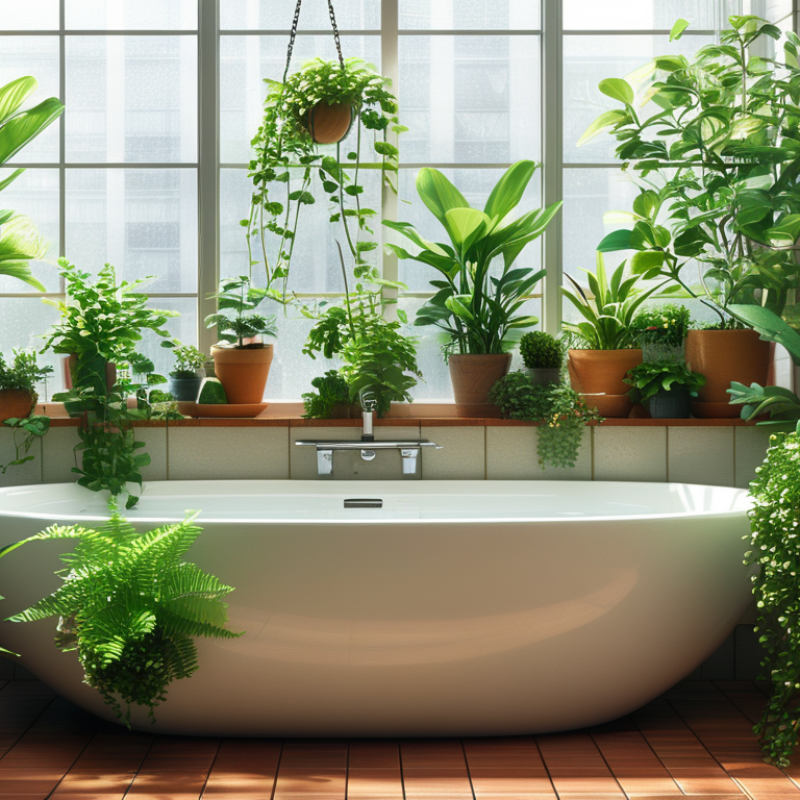
Choosing the Right Plants for a Windowless Bathroom Environment
When it comes to choosing plants for a windowless bathroom, several factors play a crucial role. The low light environment challenges typical plant growth. However, some species are specially adapted to thrive in these conditions. Look for plants that can tolerate low light and high humidity, which is typical in bathrooms.
Species like pothos and snake plants excel in these settings. Pothos has vibrant green leaves and can even grow in low-light corners. Snake plants, on the other hand, adapt well to different environments. They purify the air too, adding to the bathroom's ambiance. Consider using a ceramic pot to help retain moisture while preventing root rot.
However, keep in mind the potential for overwatering. Too much moisture can lead to mold, which negates the benefits of having plants. It’s essential to monitor your plants closely. Adjust the watering schedule as needed, which may differ from typical house plants. Observing your plants will provide valuable insights and may lead to unexpected challenges in maintaining their health.
Understanding Humidity and Its Impact on Plant Selection
Humidity plays a vital role in plant selection for a windowless bathroom. Unlike typical rooms, these spaces often have high moisture levels. This can benefit specific plants that thrive in humid environments. For instance, ferns and peace lilies are excellent choices. They enjoy the extra moisture and can adapt well to lower light conditions.
When choosing plants, consider how humidity fluctuates. Some plants may develop mold if the humidity is too high. Others may suffer if it gets too dry. Regular monitoring helps ensure the environment suits your plants. Adding a small fan can improve air circulation, reducing the risk of mold.
Not all plants will flourish despite the humidity. It's essential to research each species' needs. Some might require more light than the bathroom can offer. Reflecting on your plant's health is crucial. If leaves start to yellow or wilt, reassess their conditions. Adjustments may be necessary to improve their chances of thriving.
What Plants Thrive in a Windowless Bathroom? - Understanding Humidity and Its Impact on Plant Selection
| Plant Name |
Humidity Preference |
Light Requirements |
Maintenance Level |
| Spider Plant |
High |
Low to Moderate |
Low |
| Pothos |
Moderate to High |
Low to Moderate |
Low |
| Peace Lily |
Moderate to High |
Low |
Moderate |
| Boston Fern |
High |
Low to Moderate |
High |
| Snake Plant |
Low to Moderate |
Low to Moderate |
Low |
Low-Light Plant Options Suitable for Bathroom Conditions
When it comes to creating a serene bathroom environment, low-light plants are essential. Many bathrooms lack natural light, yet some plants thrive in these conditions. Choose varieties that can tolerate humidity as well. These plants not only enhance the decor but also purify the air, making them a great choice for any windowless space.
Consider pothos, a resilient plant that grows well in low-light areas. Its trailing vines can bring life to any corner. Peace lilies are another option; their elegant white blooms can brighten up darker spots. They enjoy the moisture from bathroom air but need minimal light. Some might think that keeping plants in a bathroom is impossible, but with the right selection, you can create a lush oasis.
However, not all plants will flourish in these settings. It’s important to monitor their health regularly. Look for signs of overwatering or lack of light. Reflecting on their growth can help you adjust care routines. With patience and attention, your windowless bathroom can become a vibrant green space, full of life and tranquility.
Maintaining Proper Care and Watering for Bathroom Plants
Choosing plants for a windowless bathroom requires careful consideration of their watering needs. Bathrooms typically have high humidity, which impacts how often you should water. Dracaena and peace lilies are popular choices. These plants thrive in low light and may need less water than you think. A notable study by the University of Florida finds that overwatering is a common mistake among new plant owners.
It's important to monitor moisture levels. Consider using a moisture meter to prevent overwatering. Ideal moisture levels for bathroom plants generally range from 40% to 60%. Too much moisture can lead to root rot. It’s essential to use well-draining pots. Adding perlite or sand can help improve drainage.
Regularly checking the leaves is also crucial. Yellowing leaves often indicate overwatering, while browning tips may signal underwatering. Adjust your watering schedule based on the plant's condition. Consistent care, like wiping leaves to remove dust, keeps plants healthy. This attention to detail enhances your bathroom's environment and the overall health of your plants.
Benefits of Indoor Plants in Windowless Spaces
Indoor plants can transform your windowless bathroom into a vibrant oasis. They add life to a space that might otherwise feel dull or closed off. Plants purify the air by removing toxins. This creates a healthier environment for you. A refreshing atmosphere can also improve mood and reduce stress.
Choosing the right plants is crucial. For instance, snake plants and pothos can thrive in low light. They require minimal maintenance and still offer effective air purification. Additionally, adding plants can enhance the aesthetics of your bathroom. Consider grouping them on shelves or hanging them from the ceiling. This adds a visual dimension and draws the eye upward.
However, even plants in windowless spaces need care. Overwatering is a common issue. Without proper drainage, plants can suffer. Understanding your plant's needs is essential. You may need to experiment to find the right balance. Embrace the journey of discovery as you nurture these living elements in your home.
What Plants Thrive in a Windowless Bathroom?
Indoor plants can thrive in windowless bathrooms, offering aesthetic appeal and improving air quality. The chart above shows the growth rates of popular plants suited for such environments.
Conclusion
When it comes to creating a vibrant atmosphere in a windowless bathroom, understanding what plants can survive in a bathroom with no windows is essential. Choosing the right plants involves considering low-light options that can thrive in high humidity environments typical of bathrooms.
Humidity plays a crucial role in plant selection, as some plants flourish in moist conditions while others might struggle. Popular low-light plant options suitable for such settings include ferns, peace lilies, and pothos, which can all adapt well to less natural light. Additionally, maintaining proper care and watering routines is vital to ensure these plants remain healthy despite the lack of sunlight. Ultimately, incorporating indoor plants in windowless spaces not only enhances aesthetic appeal but also contributes to improved air quality, making the bathroom feel more inviting.

 Sativa Plant