As winter approaches, unexpected frost can threaten the health of your outdoor potted plants. Knowing how to protect outdoor potted plants from an unexpected frost is crucial for gardeners. According to horticulture expert Dr. Emily Dawson, "Taking preventative steps is essential to safeguard your plants from frost damage."
Frost can destroy delicate leaves and flowers overnight. Covering your plants with burlap or blankets can provide immediate protection. Many gardeners overlook the importance of location. Moving pots closer to a warm wall can also help prevent frost damage.
However, some strategies may not always work as expected. Using plastic covers can trap moisture, potentially leading to mold. Reflecting on past experiences can guide better choices in the future. It's vital to remember that every plant has unique needs. By understanding these factors, your plants can thrive even in unexpected frost situations.
Understanding Frost and Its Impact on Potted Plants
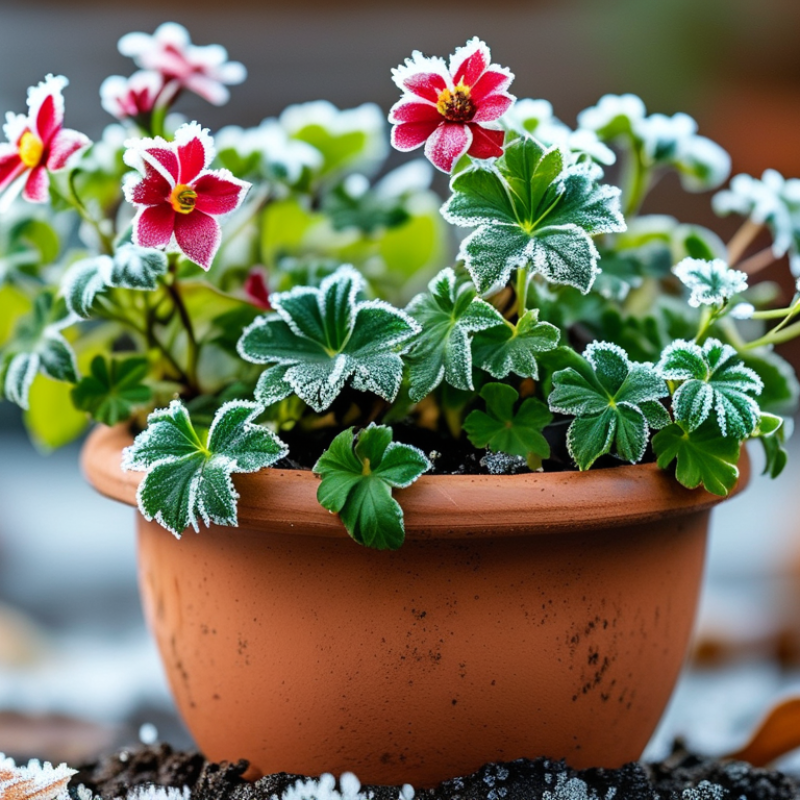
Frost can be a sudden threat to your potted plants. Understanding how frost affects these plants is vital for their survival. When temperatures drop unexpectedly, the moisture in plant cells can freeze. This damages the plant's delicate tissues and can lead to wilting or death.
Different plants have varying levels of frost tolerance. Some may survive light frost, while others need stable warmth. A sudden dip in temperature can leave less hardy plants vulnerable. It’s important to check weather forecasts regularly and be prepared.
Protecting your plants requires a proactive approach. Consider using row covers or bringing your pots indoors at night. Mulching can also help insulate the roots. However, not every method will work for all situations. Experimentation is key. You might find that some plants respond better to certain techniques. Observing how they react gives you valuable feedback for future frost events.
Identifying the Signs of Imminent Frost Conditions
When it comes to protecting your potted plants from frost, identifying imminent frost conditions is crucial. Early signs of frost can include sudden drops in temperature, especially at night. You might notice that the air feels crisper or that your plants exhibit drooping leaves. These physical cues signal that frost may arrive sooner than expected.
Watch the weather closely. A sudden temperature drop can catch even experienced gardeners off guard. If you hear a weather report predicting freezing temperatures, ensure you act quickly. Cover your plants with cloths or blankets. Alternatively, move them closer to your home for warmth. The closer they are to a heat source, the better.
Additionally, pay attention to local frost warnings. These are often issued in advance, allowing you time to prepare. If you're not sure, observe your surroundings. Does your neighbor's garden show signs of damage? It could be an indicator that you need to act fast. Frost damage can be subtle yet devastating, often showing up as brown edges on leaves or slow growth. Noticing these signs early can make a world of difference for your cherished plants.
Preparing Your Potted Plants for Sudden Frost
Preparing your potted plants for sudden frost requires careful planning. Sudden temperature drops can be detrimental. According to a study by the American Society for Horticultural Science, temperatures below 32°F can harm sensitive plants. Therefore, understanding your plants’ specific needs is essential for protection.
One effective method is to bring your pots indoors during frost warnings. This simple action can be a lifesaver. If you cannot move them, covering the plants with frost cloth is a good alternative. It helps trap heat and shields against cold winds. Additionally, placing pots near a wall or other sheltered areas can improve protection. These small changes can significantly reduce frost damage.
Mulching your potted plants can also be beneficial. A layer of mulch regulates soil temperature and retains moisture. The National Gardening Association recommends organic mulch materials for the best results. However, be mindful, as too much moisture can lead to root rot. Experiment with different types of mulch. Observe which works best for your plants. Successfully preparing for frost takes time and learning from mistakes.
Effective Methods to Insulate and Protect Potted Plants
Frost can be a hidden enemy for potted plants. Sudden drops in temperature can damage sensitive leaves, causing long-term harm. Here are effective methods to insulate and protect your beloved greenery.
Wrapping pots with materials like burlap or bubble wrap provides much-needed insulation. These materials help retain heat and reduce exposure to icy winds. Apply two layers for extra warmth, especially for plants that have been outdoors for a long time.
Another method is to elevate your pots. Placing them on wooden pallets or stones can keep the roots away from cold ground. This simple act helps prevent freeze damage. Remember, roots are vulnerable to low temperatures.
Tips: Move your pots to a sheltered area, like a porch or garage, on frosty nights. Use cardboard or old blankets to cover them temporarily. These protective measures can save your plants from frost-related stress. Always stay alert; conditions can change rapidly.
Post-Frost Care Tips for Potted Plants to Ensure Recovery
Sudden frost can be detrimental to potted plants. After a frost event, it’s vital to care for your plants correctly to facilitate recovery. Start by assessing the damage. Look for blackened leaves or wilting stems. If you spot any affected parts, prune them back. This helps prevent rot and allows the plant to focus on new growth.
Watering is crucial, but be cautious. Over-watering can lead to root rot, especially when the soil is cold. Instead, check the moisture level with your finger. If the top inch is dry, it's time to water. Ensure proper drainage to avoid water accumulation. A little fertilizer can also help your plants regain strength but use it sparingly. Their recovery may take time, and some may not bounce back. Observing your plants daily helps you understand their needs.
Don’t forget to provide warmth and light. Move potted plants to a sheltered spot. Make use of row covers or blankets during nights with frost warnings. You may notice some plants struggle more than others. Reflect on the conditions and adapt your care routine. Adjusting your approach can lead to stronger, more resilient plants in the future.
FAQS
: Frost occurs when temperatures drop suddenly. It can freeze moisture in plant cells, damaging tissues.
Different plants have varying frost tolerance. Some can survive light frost; others need warmer conditions.
Regularly check weather forecasts. Bring pots indoors during frost warnings or cover them with frost cloth.
Mulching regulates soil temperature and retains moisture. However, too much moisture can lead to root rot.
Yes, wrapping pots in burlap or bubble wrap can provide insulation. Two layers can offer extra warmth.
If moving is not possible, covering them with blankets or cardboard can help shield from cold winds.
Elevating pots keeps roots away from cold ground, reducing the risk of freeze damage and stress on plants.
Placing pots near walls or sheltered areas can offer protection. These locations can trap heat more effectively.
Different techniques work for different plants. Observing their reactions helps you find the best methods for protection.
Learning from previous experiences is crucial. Pay attention to each plant's needs and adjust your methods accordingly.
Conclusion
In the article "How to Shield Your Potted Plants from Sudden Frost?", readers will learn about the importance of understanding frost and its potential impact on outdoor potted plants. Specifically, it addresses "How to protect outdoor potted plants from an unexpected frost?" by identifying the signs of imminent frost conditions and providing strategies for effective preparation.
Preparing potted plants involves monitoring weather forecasts and utilizing protective measures such as moving plants indoors or covering them with frost cloths. The article suggests effective methods to insulate and protect these plants, ensuring they remain safe during unexpected frosty nights. Furthermore, it emphasizes the importance of post-frost care, offering tips to help plants recover and thrive after frost damage, thereby ensuring their long-term health and vitality.

 Sativa Plant