Indoor air quality is a critical aspect of our health and well-being. Many people spend considerable time indoors. Therefore, it is essential to create a clean and fresh environment. One effective way to achieve this is by introducing plants into our living spaces. Numerous studies highlight the positive impact of specific plants on air purification. But, which plants are most effective for improving indoor air quality?
Choosing the right plants can transform a room. For instance, the spider plant and peace lily are known to filter toxins. They enhance the air we breathe. However, not all plants suit every environment. Some may require more light or humidity than available. It's also worth noting that while plants improve air quality, they cannot replace proper ventilation. Understanding your living space is key to selecting the right plant companions.
In exploring the top 10 plants to boost indoor air quality, we can appreciate their diverse characteristics. Each plant offers unique benefits, but they also need care. Reflecting on the best choices requires consideration of personal preferences and environmental factors. Finding balance is crucial for a healthier indoor ecosystem.
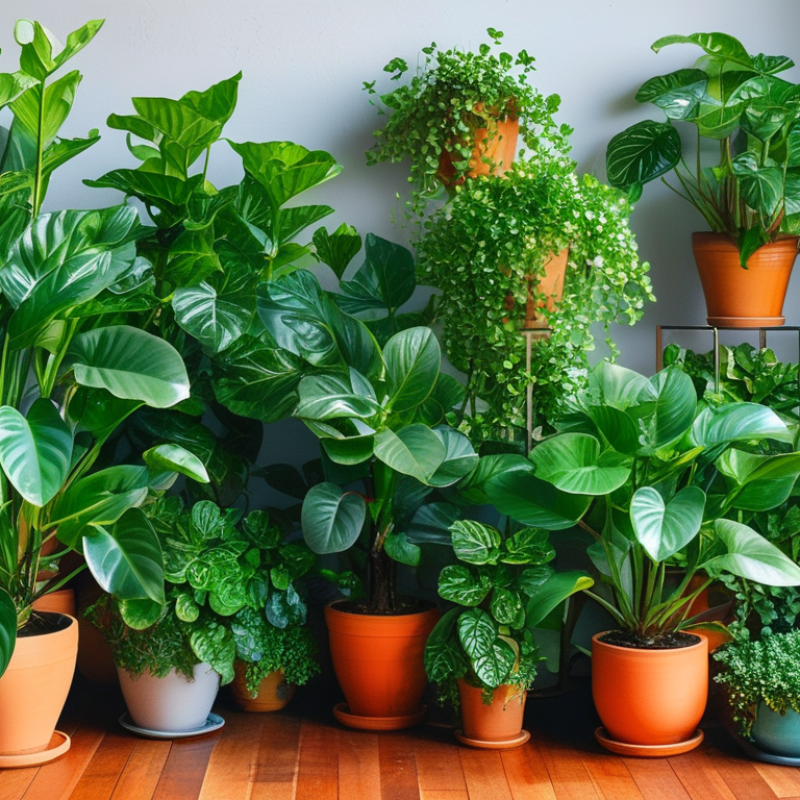
Indoor plants offer numerous benefits for improving air quality inside your home. They act as natural air purifiers, absorbing toxins and releasing oxygen. This process not only enhances the aesthetic appeal of your space but also creates a healthier environment.
Certain plants, like the snake plant and peace lily, are particularly effective in filtering pollutants. They can remove volatile organic compounds (VOCs), which are common in everyday products. The presence of greenery can also reduce stress and promote wellbeing. It’s fascinating how something as simple as a potted plant can uplift your mood and clarity.
When selecting indoor plants, consider your living conditions. Not all plants thrive in low light or dry air. Researching the specific needs of each plant can lead to better outcomes. Experimenting with different placements can also optimize their air-purifying effects. Regularly cleaning the leaves can assist in maximizing their efficacy, ensuring they continue to provide fresh air.
Creating a green indoor space isn't just beneficial; it's a personal journey. While some may flourish with less attention, others might require more care. It’s essential to reflect on your plant care routine regularly. Recognizing signs of distress in your plants can improve your approach and enhance both plant health and air quality.
When selecting effective air-purifying plants, a few criteria stand out. The ability of plants to filter indoor pollutants is crucial. A NASA study highlighted that certain species can remove toxins like formaldehyde and benzene effectively. Dracaena, for example, tops the list by reducing harmful substances while thriving in low light.
Another important factor is the plant’s maintenance needs. Low-maintenance plants like pothos and snake plants are ideal for busy lifestyles. They require less water and can adapt to various light conditions. Ease of care encourages people to keep these plants, enhancing indoor air quality consistently.
Additionally, aesthetic appeal plays a role in selection. Plants should enhance home decor, encouraging their presence in visible areas. Research shows that greenery positively impacts mental health. These plants not only purify the air but also create a calming environment. Choosing plants that fit both functional and emotional needs can improve overall well-being in indoor spaces.
Indoor plants are not just beautiful; they play a vital role in improving air quality. Certain plants are well-known for their ability to filter toxins and produce oxygen. For instance, the snake plant thrives in low light, absorbing harmful pollutants like formaldehyde. It’s hardy, yet many overlook its air-purifying potential. The peace lily is another excellent choice. It flowers beautifully and reduces airborne mold spores. However, it requires more attention, so some may find it challenging to maintain.
Spider plants are forgiving and thrive on neglect. Their arching leaves can grow rapidly, making them ideal for busy households. Boston ferns excel at adding humidity to dry air, although they need consistent moisture. The presence of these plants not only beautifies the space but also promotes physical well-being.
While many of these plants have proven benefits, it’s essential to acknowledge that results may vary. Environmental factors play a significant role in effectiveness. Not every plant will flourish in every room. Therefore, understanding your space is key to choosing the right plants. By integrating these species into your home, you can enjoy a healthier indoor atmosphere, though the journey requires patience and care.
| Plant Name | Main Benefit | Light Requirement | Watering Frequency |
|---|---|---|---|
| Spider Plant | Removes formaldehyde | Low to Bright Indirect Light | Every 1-2 weeks |
| Peace Lily | Removes ammonia | Low Light | Weekly |
| Snake Plant | Improves oxygen levels | Low to Bright Indirect Light | Every 2-3 weeks |
| Aloe Vera | Removes formaldehyde | Bright, Indirect Light | Every 2-3 weeks |
| Boston Fern | Removes pollutants | Indirect Light | Weekly |
| Rubber Plant | Cleans the air | Bright, Indirect Light | Every 1-2 weeks |
| Dracaena | Removes benzene | Low to Bright Indirect Light | Every 2 weeks |
| Pothos | Filters indoor pollutants | Low to Bright Indirect Light | Weekly |
| Zamioculcas zamiifolia (ZZ Plant) | Tolerates low light | Low Light | Every 2-3 weeks |
| Chinese Evergreen | Cleanses toxins | Low to Bright Indirect Light | Every 2 weeks |
Indoor plants are excellent allies for enhancing air quality. However, they require proper care to thrive and do their job effectively. Light conditions are crucial. Some plants need bright light, while others thrive in low-light conditions. Researching each plant’s needs helps you position them correctly. Regularly dusting the leaves can also improve their ability to purify air.
Watering is another critical aspect. Over-watering can lead to root rot, while under-watering may stress the plant. Check the top inch of soil; if it feels dry, it's time to water. Use pots with drainage holes to prevent excess moisture. Fertilizing once a month during the growing season can provide essential nutrients. Pay attention to specific needs based on the plant type.
Lastly, be aware of pest issues. Common pests include spider mites and aphids. Regular inspections can help catch infestations early. If you notice any pests, wipe the leaves or use insecticidal soap. Indoor plants can sometimes be delicate, so patience is essential. Careful observation and adjustments over time can lead to a thriving green space in your home.
Improving indoor air quality goes beyond adding plants. Regular cleaning is crucial. Dust and allergens can accumulate on surfaces, impacting air quality. Vacuuming carpets and wiping down furniture helps remove these irritants. Use a damp cloth to prevent dust from becoming airborne. This simple step can significantly enhance the air you breathe.
Ventilation plays a vital role as well. Open windows when weather permits to allow fresh air flow. Stale air can lead to increased pollutants indoors. Consider using exhaust fans in kitchens and bathrooms to expel moisture and odors. Even small changes can make a noticeable difference in air quality.
Monitoring humidity levels is another important strategy. High humidity can foster mold growth, which is detrimental to health. Using a dehumidifier in damp areas can help mitigate this risk. Aim for indoor humidity levels between 30% and 50%. Being mindful of these factors promotes a healthier living environment, but remember that every space has unique challenges.
: Look for plants that filter indoor pollutants effectively. Maintenance needs and aesthetic appeal are also important.
Provide the right light conditions and water carefully. Regular dusting of leaves enhances their air-cleansing ability.
Check the top inch of soil. Water if it feels dry. Use pots with drainage holes to prevent over-watering.
Regular inspections for pests like spider mites help. Look for discoloration or webbing on leaves.
Regular cleaning and dusting are crucial. Vacuum carpets and wipe surfaces to remove allergens.
Opening windows allows fresh air in. Good airflow helps reduce indoor pollutants and stale air.
High humidity can lead to mold growth, which is harmful. Keep humidity levels between 30% and 50%.
Not all indoor plants are the same. Some may need more attention than others. Recognizing this is essential.
Over-watering can cause root rot. It’s crucial to balance water to keep plants healthy.
Yes, having greenery promotes a calming environment. This can positively impact emotional well-being.
Indoor plants play a significant role in enhancing indoor air quality, offering numerous benefits such as reducing pollutants and increasing oxygen levels. When considering which plants are most effective for improving indoor air quality, it's essential to select varieties known for their air-purifying abilities. The article outlines criteria for choosing these effective plants and lists the top ten species renowned for their air-enhancing properties.
Additionally, maintaining these plants requires specific care tips to ensure they thrive and continue to purify the air effectively. Beyond introducing plants, the article also discusses additional strategies for improving indoor air quality, emphasizing a holistic approach to creating a healthier indoor environment. By applying these insights, individuals can cultivate a fresher, cleaner space while enjoying the aesthetic benefits of greenery.

Sativa Plant